The goods and services offered in a black market can be illegal, meaning their purchase and sale are prohibited by law, or they can be legal but transacted to avoid taxes. Black markets are also known as illegal markets, shadow markets, or underground markets. Black-market activity in foreign exchange is prevalent in countries in which convertible foreign exchange is scarce and strict control of foreign exchange exists. The black market often sets a price for foreign exchange that is several times the official one. Examples of goods traded in the black market are weapons, illegal drugs, exotic and protected species of animals, and human organs needed for transplant surgeries.
How Does System D Affect The World’s Official Economy?
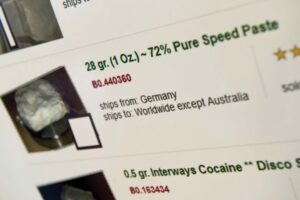
Turkey is not an oil producer, yet serves as a major transit route for hydrocarbons flowing to Europe from OPEC countries like Iraq and Iran. As an energy hub, Turkey is strategically situated for the illegal trade and lost an estimated US$5 billion in tax revenue in 2017. An uptick in smuggling oil and other refined products began 2014, when ISIS took control of major Syrian and Iraqi oil fields. Moreover, black money makes a nation’s financial health seem weaker because it’s hard to measure. Since unreported earnings are not part of a country’s GNP or GDP, estimates of savings, consumption, and other macroeconomic data can be misleading, impacting planning and policymaking. With transactions increasingly occurring on the dark web, law enforcement faces greater challenges in combating these activities.
What Is The Problem With Underground Economies?
The most common source of black money is the black market or underground economy. Activities in the black market may include selling prohibited drugs, gunrunning, terrorism, and human trafficking. Black market activities also involve less severe offenses, such as the sale of counterfeit goods, stolen credit cards, or pirated versions of copyrighted material. Consumers wield a pivotal role in the perpetuation or mitigation of the black market’s impact on society. When individuals opt to purchase illegal or counterfeit goods, they inadvertently contribute to the sustenance of criminal enterprises within the black market.
Understanding Black Economy
Although many can be considered human trafficking victims and be offered protection, this rarely occurs. Law- and policymakers should therefore consider decriminalising organ sales (removing penalties in the law) and offer organ sellers protection, regardless of whether they agree to provide evidence that helps to dismantle criminal networks. Australia’s black market tobacco industry has “exploded” and criminals have a “stranglehold” on the industry, as high taxes drive demand for the illegal product. “Transplant tourism” is a term used to describe typically wealthier individuals traveling abroad to obtain organ transplants from poorer destination countries.
“Pharmacies are pricing these products to be more expensive than a pack of smokes,” he says. Australia is the only country in the world with a prescription model, and some fear this highly restrictive approach will see vapes go the same way as cigarettes. The final piece of the government’s vaping reforms is being debated in parliament to “close a loophole” and ban the sale of non-nicotine vapes in retail stores (many of which do in fact contain nicotine). “But the solution is not to reduce the price. The solution is to manage the supply chain.”
The black market supplies the demands for weaponry that cannot be obtained legally or may only be obtained legally after obtaining permits and paying fees. This may be by smuggling the arms from countries where they were bought legally or stolen, or by stealing from arms manufacturers within the country itself, using insiders. In cases where the underground economy is unable to smuggle firearms, they can also satisfy requests by gunsmithing their own firearms. Those who may buy this way include criminals to use for illegal activities, gun collectors, and otherwise law-abiding citizens interested in protecting their dwellings, families, or businesses. The black market involves the illegal buying and selling of goods or services that are prohibited or heavily regulated, such as drugs, weapons, or counterfeit items.
Black Market Cannabis Thrives In California Despite Legalization
In the early seventeenth century, for example, when Dutch and Portuguese traders first brought tea from China to Europe, it was considered a rare and highly desirable luxury. In Britain the government charged merchants a heavy import tax on tea, which made it very expensive to buy. An extensive black market in smuggled tea quickly arose, enabling merchants to avoid the tax and sell more tea at lower prices.
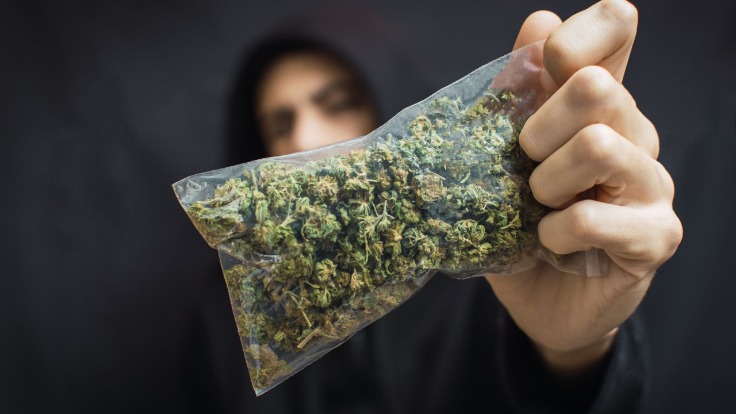
Illegal Drugs
While such experiments are currently forbidden by law, national surveys have found various degrees of public support for different types of incentives. In short, rather than exclusively focusing on stricter laws, a broader range of responses is needed that both address the root causes of the problem and that help to disrupt organ trading networks. In all criminal cases reported to date, illegal transplants took place in medical hospitals and clinics with the involvement of medical staff. Organ trafficking networks are highly organised with close collaborations between the legal “upperworld” (medical doctors, notaries, lawyers) and the criminal “underworld” (recruiters, brokers). I’ve investigated many aspects of the activity including transplant tourism, the buying of organs, experiences of transplant professionals and police and prosecutors working on criminal cases and how trafficking networks operate.
Premium Investing Services
- A black market could also refer to legal activities that are sold illegally, which could include ticket resales, prescription drugs, or passes for a vacation destination.
- GDP was estimated at $27.06 trillion, which puts the underground economy somewhere between $1.7 trillion and $3.2 trillion.
- But, the mismatch between purchasing power and aspiration has increasingly fed into an ever-increasing space for illicit markets and counterfeiting.
- Before 1998 most computer hacking (the practice of breaking through a computer’s security system) was done for sport by curious, but not malicious, individuals.
Furthermore, trade-related black market activities undermine legitimate businesses by creating unfair competition. Counterfeit goods, for example, can deceive consumers and erode trust in legitimate brands. The sale of illicit products also poses risks to consumer health and safety, as these goods may not meet regulatory standards or undergo quality control measures (PMI Global). The prevalence of counterfeit medicines, cosmetics, and electronics in the black market can have severe consequences for public health. The laws of many countries forbid or restrict the personal ownership of weapons. These restrictions can range from small knives to firearms, either altogether or by classification (e.g., caliber, handguns, automatic weapons, and explosives).
According to a recent report, about half of the United Kingdom’s banknotes are held in black markets. A significant amount of cash is in circulation between the black market’s major stakeholders. This black market provides grounds for a trade of guns and weaponry making it the ninth largest in the world. One of the best-known black markets in American history was Prohibition, or the period from 1920 to 1933, when the manufacturing, transportation, and sale of alcohol was illegal.

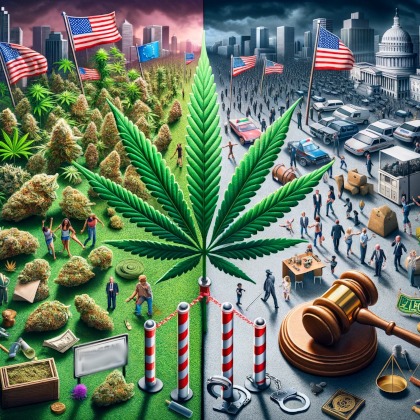
The Role Of Legalization
Global developments and catastrophes such as the widening gap between the rich and poor, conflicts, famine, climate change and forced migration further increase the risk of organ sale and exploitation among the world’s vulnerable populations. “Smoking rates have increased … this would be the only tax in the world where it’s doubled but the rate of revenue collection has halved. In June, NSW Premier Chris Minns called on the federal government to consider lowering the tobacco excise.
Understanding Trade-Related Black Market Activities
Human trafficking operations also comprise the underground economy, as do the markets for copyrighted materials, endangered animal species, antiquities, and illegally-harvested human organs. It is trade that breaks the rules — the laws, regulations, licenses, taxes, embargos, and all the procedures that nations employ to organize commerce, protect their citizens, raise revenues, and enforce moral codes. It includes purchases and sales that are strictly illegal everywhere and others that may be illegal in some countries and accepted in others.
The app is still active today, mapping hundreds of unlicensed shops and helping the illegal cannabis market continue to thrive through legalization. HMRC no longer makes any serious attempt to estimate the size of the black market. Its most recent guess suggests that a mere 6.9 per cent of cigarette sales are ‘non-duty paid’. Anyone who smokes or has seen cigarette packs in public places knows that this is a fantasy.
Street vendors in many areas, particularly in countries with loose enforcement of copyright law, often sell deeply discounted copies of movies, music CDs, and computer software such as video games, sometimes long before the official release of a title. In 1864, for example, the Eleventh Wisconsin Infantry surprised a boatload of men and women carrying supplies of coffee, salt, and a chest full of merchandise from Union-occupied Louisiana to outlying Confederate forces. Union soldiers on garrison duty in occupied territory spent much of their time stopping illegal trade. Legal bans sometimes lead to the creation of a black market, which then makes it difficult to eliminate. A Stanford University research titled “Forbidden Transactions and Black Markets” by Chenlin Gu, Alvin E Roth, and Qingyun Wu goes on to say that legal marketplaces attract participants by trying to make the market safe and reliable.
Businesses profiting in the underground economy often bribe law enforcement to overlook offenses, which can result in a corrupt police force participating in crimes. Black money is comprised of funds obtained through illegal activities or income not declared for tax purposes. Typically received in cash, this unreported income is part of the underground economy. Black money recipients often attempt to hide it, spend it within the underground economy, or launder it to appear legitimate. This economic activity can lead to significant government revenue losses and increased corruption.