
Indeed, Facebook, The New York Times and now even the CIA have sites on the dark web, hosting “onion” versions of their pages that can be accessed via the Tor browser. The spy agency is hoping to securely and anonymously collect tips, though its entire website, including job listings, are available on the onion service. To stay safe on the dark web, use privacy tools, practice caution when choosing which sites to visit, and avoid transactions. This will help to protect you from malicious sites designed to steal your data or money. The dark web’s hazards include many risks, related to network breaches or data compromises.
Cybersecurity Threats
On a purely technical level, I2P offers some real security and privacy advantages over Tor. However, interest in I2P has waned badly in recent years (which itself impacts I2P’s security), so many I2P “eepsites” and forums are now abandoned. I2P(new window) is designed to improve upon Tor’s onion routing system with its garlic routing(new window) (a somewhat tongue-in-cheek name). One key difference between Tor and I2P is that I2P bundles its data packets together into “cloves” before sending them through its network as messages rather than sending them one by one as Tor does. The dark web has a reputation for being a place where you can find and contact drug dealers and hitmen. There’s truth to this, but the dark web also offers a welcome refuge from overbearing government surveillance and the ubiquitous corporate capitalism that tracks your every move online.
Anonymity And Privacy On The Dark Web
This includes disabling JavaScript in the Tor browser, being cautious when clicking on links, and avoiding engaging in any illegal activities. By following these best practices, users can minimize their risk of encountering threats on the dark web while still benefiting from its unique features and resources. Anonymity is a crucial aspect of the dark web, enabling users to engage in activities without the fear of being identified or monitored. This anonymity can be beneficial for legal activities, such as secure transactions using cryptocurrencies, and for accessing anonymized browsers without breaking the law. However, it also provides a cover for illegal activities, such as cybercrime and the distribution of malware.
Cybersecurity Info You Can’t Live Without
All our revenue comes from Proton customers who upgrade for more storage and premium features. Reclaiming your privacy doesn’t mean disconnecting or going into hiding. And it starts with stepping outside the system that profits from watching you and into one that’s built with you as the top priority. However, the reach of Big Tech extends into every aspect of life online. If you want to fully escape the US surveillance web, here are some privacy-friendly European alternatives across various categories.
Cryptocurrency And Anonymity
After all, some websites on the deep web are like those on the open internet, except that they are hidden behind a paywall or protected via passwords to limit access. Valentina Bravo is a managing editor at Cloudwards with a rich background in technology topics, particularly productivity tools and online security. She holds a Bachelor’s degree in Liberal Arts and a triple Master’s degree in Literary and Cultural Studies. Outside of work, she is a travel enthusiast, music lover and avid learner interested in global cultures, spirituality, psychology and neuroscience. The dark web is part of the hidden web, which comprises non-indexed websites that are mostly used for illegal and illicit activity. If you have heard your peers or colleagues throw this term around and are wondering, “What is the dark web?
Think of it like walking through an unfamiliar part of town — it helps to stay alert, research, and know which places to avoid. These sites are built for privacy and anonymity, and Google’s web crawlers (also known as “spiders” or “bots”), which look for websites to index, can’t access or “crawl” these hidden sites. The Hidden Wiki is a curated directory of .onion links that helps you find popular sites quickly. It organizes links by category, like forums, email services, blogs, and file-sharing tools, which makes browsing easier and more efficient. The dark web isn’t illegal in most places, but using the Tor browser can be.
In addition, the Tor browser, Tor applications and operating systems should be kept up to date, and companies might want to limit or monitor their use. VPNs are also used for accessing geo-locked content hosted by streaming services. The best VPN options are paid-for and subscription-based, as many free options will either throttle your speed or collect your data. ZDNET’s recommendations are based on many hours of testing, research, and comparison shopping. We gather data from the best available sources, including vendor and retailer listings as well as other relevant and independent reviews sites. And we pore over customer reviews to find out what matters to real people who already own and use the products and services we’re assessing.
Do I Have To Use A VPN?
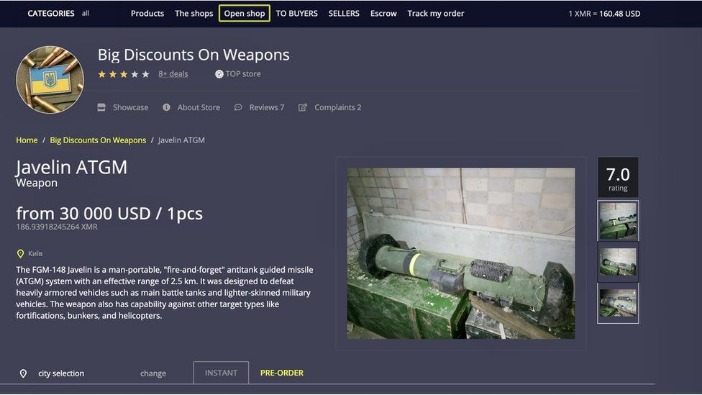
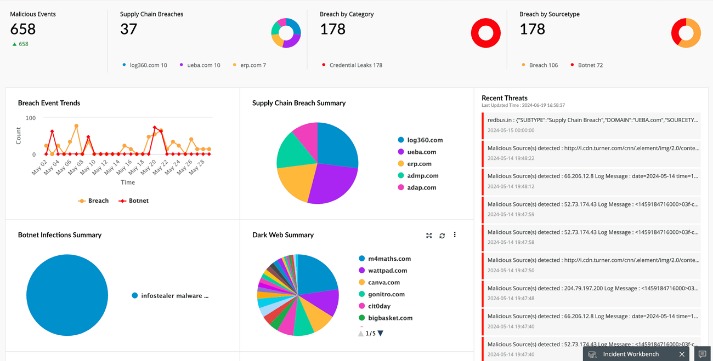
The dark web contains a range of content, some of which is illegal, including marketplaces for drugs, weapons, stolen data, and other illicit services. It’s a hotbed of marketplaces for cybercrime, Ransomware-as-a-Service, data breaches and identity theft, and malware distribution. To help mitigate these threats, cybersecurity professionals like Digital Forensics employ deep web monitoring, threat intelligence, and advanced tracking techniques to keep their clients safe online.
Unlike the publicly accessible surface web, the deep web includes sites requiring login credentials but is still accessible via traditional browsers. The dark web is a small, hidden subset of the deep web that requires special tools to access. Therefore, “knowing someone,” such as a contact you met on another dark web forum, becomes highly valuable to help you gain access to any particular dark web site. Furthermore, they require a dark web browser, and accessing the dark web directly from your computer carries inherent risk.
To a lesser extent, it is also used for lawful reasons by legitimate users such as those who want to protect the privacy of certain information or people looking to join an exclusive online club or social network. The deep web refers to any web content that is not indexed or pages that can’t be found with a search engine. Examples of the deep web include any websites that are behind a paywall or require login credentials. Most internet users access the deep web several times a day to perform common tasks, such as checking email, accessing a bank account, or reviewing health or school records. The deep web constitutes over 90% of online content and is inaccessible via search engines.
However, accessing the dark web can be risky, as it is commonly used for illegal activities like cybercrime and malware distribution, making it essential for users to take appropriate precautions. To ensure their safety, privacy advocates and whistleblowers should use a VPN when accessing the dark web, disable JavaScript, and be cautious when clicking on links. To access the dark web, specialized software and techniques are required, such as the Tor browser. While only a small percentage of Tor users access hidden websites, the network provides a secure and anonymous environment for those who do.
- If you want to fully escape the US surveillance web, here are some privacy-friendly European alternatives across various categories.
- It even prompts you to switch to a site’s .onion version if one is available.
- Like any tool, it depends on how you use it — and how careful you are when using it.
- While the deep web includes legitimate, unindexed content such as private databases and subscription-only platforms, the dark web specifically facilitates anonymity.
- A repository of sites that can’t be found by traditional search engines, the dark web is as intriguing as it is dangerous.
Must-know Cybersecurity Trends For 2025

At the dark end of the web, you’ll find the more hazardous content and activity. Tor websites are located at this far end of the deep web, which are deemed the “dark web” and are only accessible by an anonymous browser. Their addresses are often a jumbled mess of letters and numbers, almost impossible to remember, like the notorious “eajwlvm3z2lcca76.onion”, which once served as the gateway to the infamous Dream Market. When you use the Tor network, your traffic is layered in encryption and routed via a random relay, where it’s wrapped in another layer of encryption. In 1989, Ian Clarke launched the Freenet project, which aimed to allow anonymous online interactions at a time when internet anonymity was difficult to achieve.
Staying Cautious And Protecting Your Information On The Dark Web
Ahmia is a search engine that helps you find active .onion sites using keywords. It filters out abusive or illegal content, so it’s safer than many other search tools. You can sort results by date, which helps when you’re looking for recently updated or new sites. But accessing the Dark Web is not just about downloading and installing the Tor Browser. Users must also navigate through .onion websites—domains that are specifically set up for use within the Tor network. These websites do not appear in traditional search engines, and their addresses are often a string of seemingly random letters and numbers.
Search engines index all the web resources on the surface web, so you can search for them online. You just need standard browsers like Chrome, Edge, and Safari to open websites on the surface web. The dark web itself is not illegal, but many activities conducted there are.
Internet security software like Kaspersky Premium are comprehensive to cover both identity monitoring and antivirus defenses. However, finding information can be challenging as the dark web doesn’t use a centralized index to locate content. Instead, users rely on dark web search engines like DuckDuckGo or directories, such as the Hidden Wiki and its offshoots, to find .onion websites. But privacy is fragile – using a VPN alongside Tor and maintaining strict security habits is crucial. “If the site invests in setting up a ‘native’ Tor onion-address for their website, then people who use the Tor browser to access that address never step outside the protection of the Tor cloud,” Muffett says.

Risks And Considerations
However, the same anonymity also facilitates illegal activities, including data breaches and unauthorized sales. Businesses are encouraged to conduct regular cybersecurity risk assessments to prevent their data from being traded on the dark web. The dark web provides encrypted email services, chat platforms, and other tools for secure communication and collaboration, allowing users to communicate without worrying about surveillance or censorship.