When you launch your usual browser, Freenet runs via its web-based interface. However, using a browser software that guarantees your complete anonymity would be best. The VPN provides data encryption and routes your data through remote servers to help mask your IP address and location. Thus, it successfully prevents anyone from snooping during your activity.
Without visible links, these pages are more hidden for various reasons. While the Dark Web hosts illegal activities, it also supports legitimate uses like protecting free speech and aiding cybersecurity. A person must exercise caution while accessing the Dark Web, while being mindful of legal obligations and possessing an ethical perspective. The debate about how best to balance technology regulation against anonymous benefits will transform as science advances. The dark web wasn’t the invention of a single individual but from efforts to build secure, anonymous communication.
Enhancing Security With A VPN
If you’re planning to return, consider creating a burner OS or using a hardened Linux distro like Tails. These tools leave no trace on your device and reduce your exposure even if something goes wrong. We already went through VPNs, anonymizing web browsers, and disposable operating systems, so I won’t bother reminding you about those. Chill, because nobody will ever find a record of you ever fiddling around the darknet. Note that Tails’ installation package is the .img format, which means that you’ll need software capable of burning images on your thumb drive. Well, VPN over Tor is basically its opposite – instead of going through the VPN first, the signal passes through the Tor network, before going through the VPN.
Swap Data In Countries That Censor The Internet
By distributing communication over several nodes, it obscures the user’s IP address. Contact your country’s cybercrime division or law enforcement agency with evidence and information. Tor anonymizes by bouncing traffic through relays; VPN encrypts and routes through a single server. Tor encrypts your traffic and routes it through multiple volunteer-operated relays, making it difficult to trace. This information can be used to target ads and monitor your internet usage.
This specialized browser grants users a level of anonymity that is especially appealing to cybercriminals, hackers, and government operatives who want to hide their identity. There are numerous phishing sites, too, as explained earlier, designed to fool users into giving up their personal data. It’s legal to access the dark web in the U.S. and most other countries.
Is It Legal To Access The Dark Web?
- Illegal marketplaces are merely a small fraction of what’s actually there.
- Fortunately, it’s not a criminal offense if you simply search the dark web, but if you use it to carry out illegal activities, you get in trouble.
- A VPN and Tor should be used together and it is advisable to connect via a VPN to Tor, rather than vice versa, for the best protection possible.
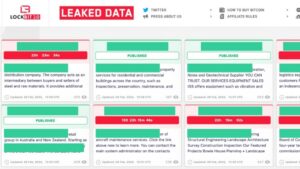
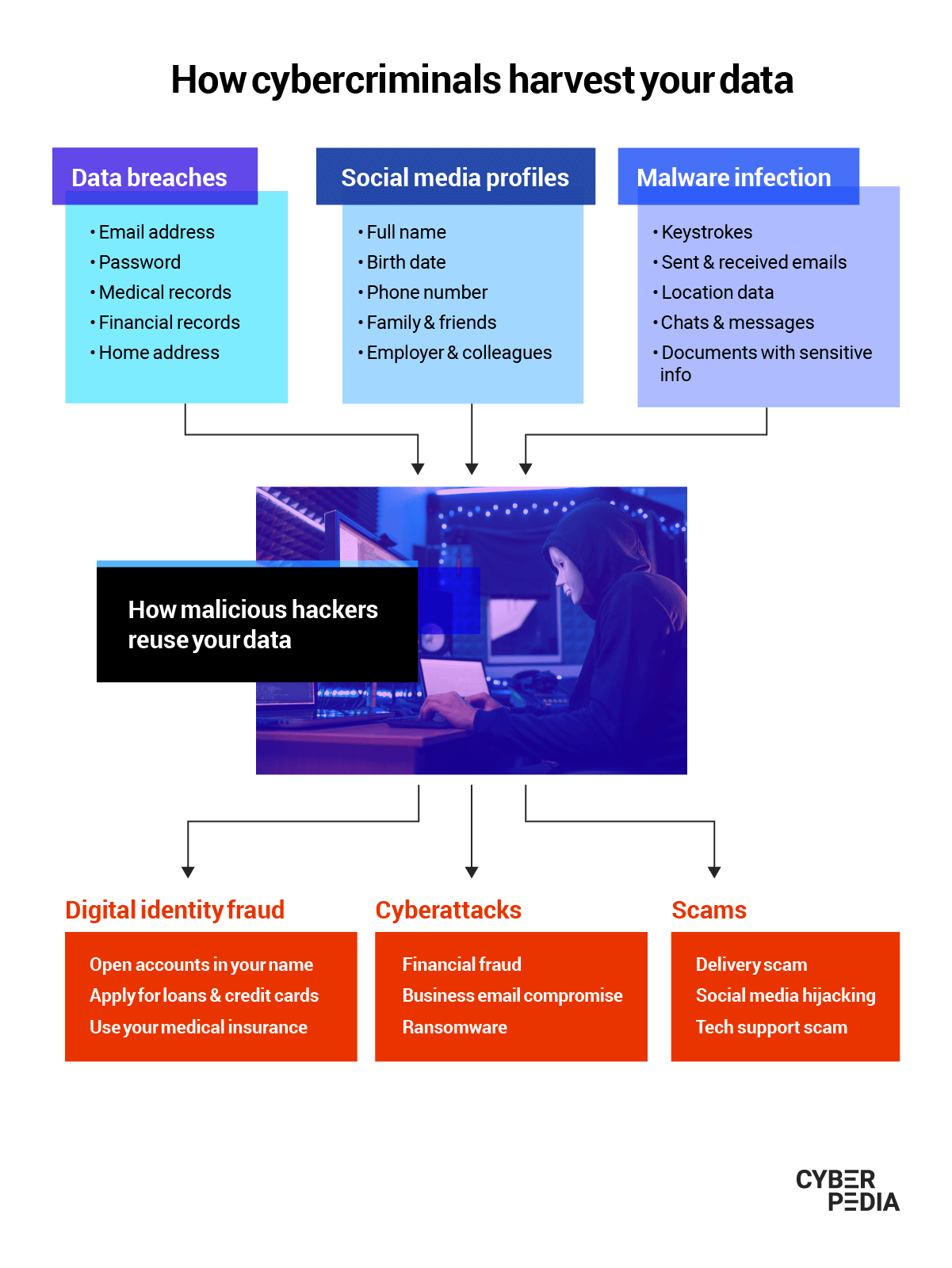
- Whenever a data breach occurs, the information will likely end up on the dark web for sale.
- For example, it’s dangerous to buy or download anything from illegal marketplaces — the downloaded files may contain malware and the police can trace illegal purchases.
- Either way, no one is accessing the Dark Web with a sense of optimism.
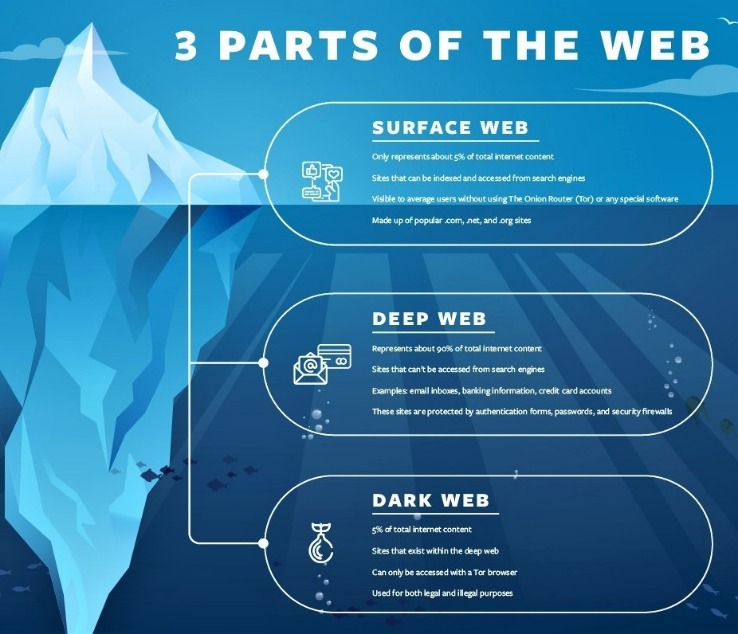
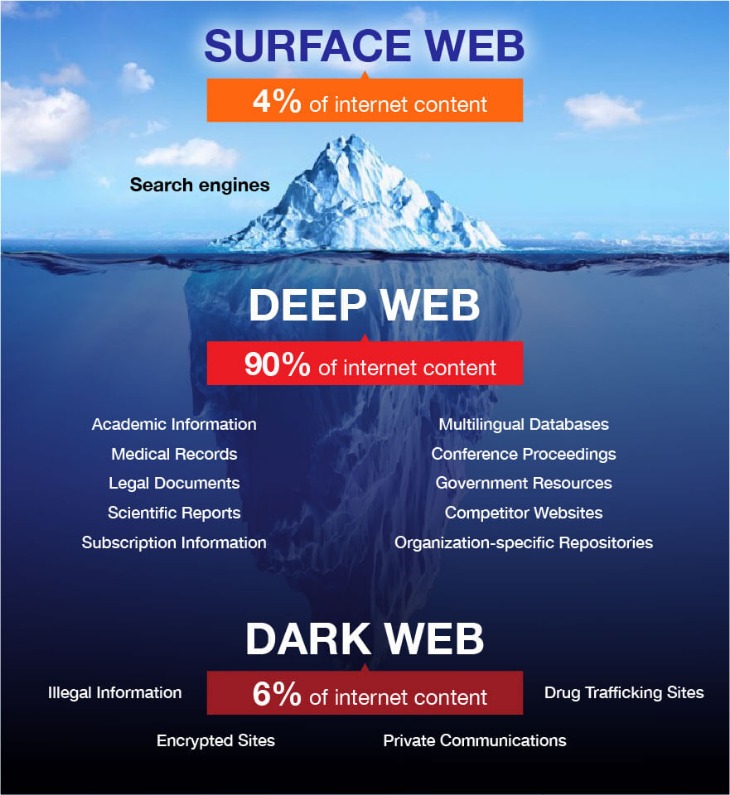
The Dark Web refers specifically to websites that exist behind multiple layers of encryption and cannot be found by using traditional search engines or visited by using traditional web browsers. Granted, criminals do gravitate towards darknet sites in order to perform unlawful activities. If you ever land on a questionable site, it’s smart to check whether your data is secure. Clario Anti Spy’s Data breach monitor scans for known breaches across the dark web and alerts you if your email is compromised. Unlike the publicly accessible surface web, the deep web includes sites requiring login credentials but is still accessible via traditional browsers.
Our Network
Next, select a dark web search engine like DuckDuckGo that can help you find dark web websites that cannot be indexed by traditional surface web search engines, such as Google or Bing. You can find legitimate products such as basketball shoes, apparel, research papers, and other items on the dark web. Of course, you can also find plenty of illegal items such as hacked streaming media accounts, stolen personal identifiable information, credit card account numbers, firearms, and drugs, too. When you envision the dark web, it may conjure up images of hackers trading stolen personal identifiable information or drug dealers advertising their products online—and that’s not completely wrong. While the dark web can be a helpful tool for sourcing legitimate products or ensuring private communication, it’s also a hotspot for illegal internet activity. The dark web is a part of the internet consisting of hidden sites that aren’t indexed by conventional search engines.
Step 1: Download Hyphanet
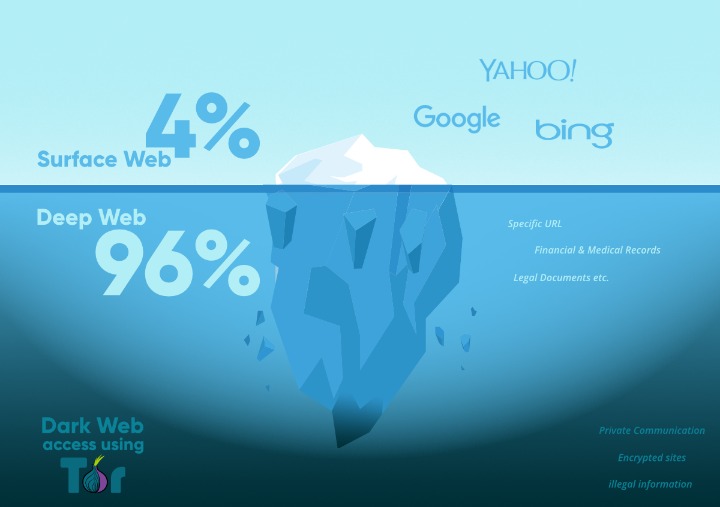
Explore this FAQ section to get answers to some common queries about this hidden part of the internet. The dark web can be intriguing, but given its nature, you must stay vigilant and aware of the potential threats. Browse responsibly to ensure your experience doesn’t lead to unwelcome surprises. That’s when Freenet, a peer-to-peer sharing network focused on anonymity, was launched. The dark web is quite small when compared with the internet as a whole.
How To Stay Safe While Browsing The Dark Web

By downloading this content, you are giving permission to be contacted by a Tech Research Online representative or 3rd party in regards to the content (by phone or email). However, there are a lot of forums that decentralize finance legally by discussing blockchain and other forms of investments. Decentralization helps users gain more knowledge about the working of block chain across various industries and strengthen their investment game. Governments around the globe hire ethical hackers to get an insight into various information. Access to the Dark Web can help in providing a lot of leaked data that helps in the prevention of cyber threats, protecting a lot of individuals and organizations.
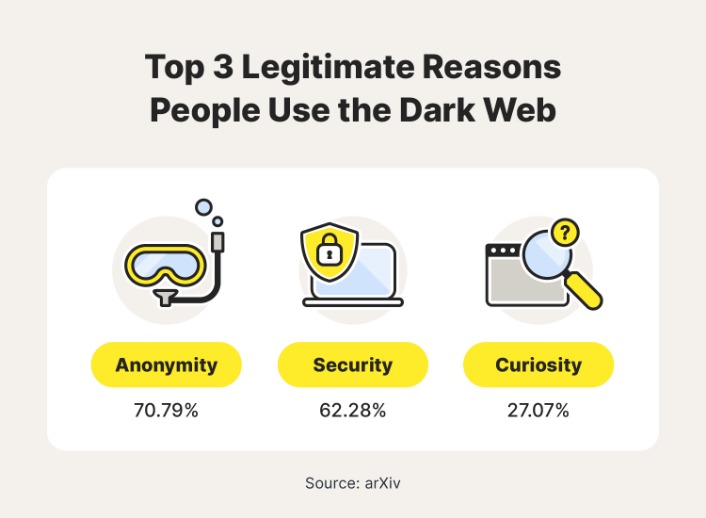
This can include illicit marketplaces, drugs, cybercrime and hacking groups, and extremist, violent platforms. One study found that only 6.7% of Tor anonymity network daily users — a cohort that comprises mostly dark web users — connect to onion sites used for illicit activity. This essentially means that over 93% of Tor daily users use the dark web for legitimate reasons. All v3 .onion addresses (the current standard) are 56 characters long and end with “d” to denote the URL version in use. Each address also contains cryptographic information that enables a dark web browser to connect to the site. That allows .onion sites to be accessible anonymously without services like DNS.
A Step-by-Step Guide To Prepare For Red Hat Certification Exams
One of the great things about Tor is that it can be used to access both the dark and surface web. Just note that although you’ll be anonymous, you won’t have the speed or convenience of a direct connection, and some sites might block you outright. Many dark websites are perfectly legal and safe to use and, in many cases, are better for your privacy than clear websites. Then there’s the less popular VPN over Tor, which is advised against by the official Tor Project. Only two VPN providers that we know of, AirVPN and BolehVPN, offer this service, although neither of these score highly for speeds. Internet traffic first passes through the Tor Network, and then through the VPN.
What Is The Dark Web? How To Access It Safely?
When you search for your favorite recipe, check the news or browse social media, you’re using the surface web. Dark web sites use encryption software so their visitors and owners can remain anonymous—it’s why the dark web is home to so much illegal activity. The term “dark web” refers to all of the content and websites of the internet that are effectively hidden from users, as they are not indexed by search engines and require special software to access. That may seem an extreme way to browse the web, but such protections are increasingly worth considering, says Sarah Jamie Lewis, executive director of the Open Privacy Research Society. Put simply, the deep web is all the information stored online that isn’t indexed by search engines. You don’t need special tools or a dark net browser to access most of the deep web; you just need to know where to look.