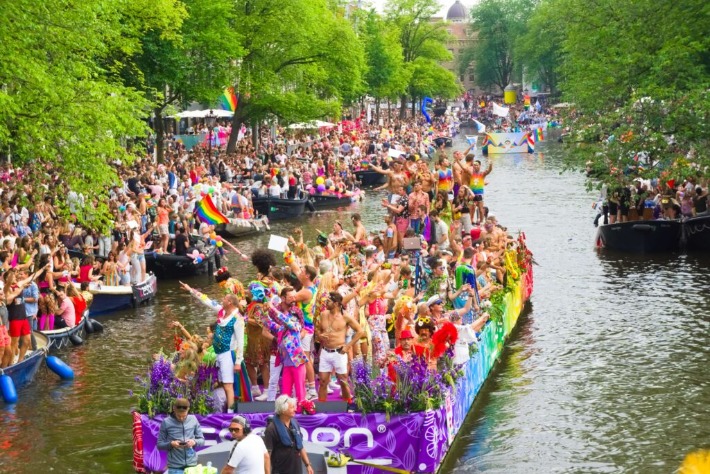
Amsterdam Airport Schiphol is less than 20 minutes by train from Amsterdam Centraal station and is served by domestic and international intercity trains, such as Eurostar and EuroCity. Schiphol is the largest airport in the Netherlands, the third-largest in Europe, and the 14th-largest in the world in terms of passengers. The medieval and colonial age canals of Amsterdam, known as grachten, embraces the heart of the city where homes have interesting gables. Beyond the Grachtengordel are the former working-class areas of Jordaan and de Pijp. The Museumplein with the city’s major museums, the Vondelpark, a 19th-century park named after the Dutch writer Joost van den Vondel, as well as the Plantage neighbourhood, with the zoo, are also located outside the Grachtengordel.
Complete Two-day Itinerary With The I Amsterdam City Card
The last style that was popular in Amsterdam before the modern era was Art Deco. Amsterdam had its own version of the style, which was called the Amsterdamse School. Whole districts were built in this style, such as the Rivierenbuurt.182 A notable feature of the façades of buildings designed in Amsterdamse School is that they are highly decorated and ornate, with oddly shaped windows and doors. The building is comprised of five Amsterdam townhouses sharing the same floor plan. The typical Bruine Kroeg (brown café) breathes a more old-fashioned atmosphere with dimmed lights, candles, and somewhat older clientele. These brown cafés mostly offer a wide range of local and international artisanal beers.
What Is The Etiquette For Visiting Tulip Fields?
At the peak of the demolition, the Nieuwmarktrellen (Nieuwmarkt riots) broke out;67 the rioters expressed their fury about the demolition caused by the restructuring of the city. From the 17th century onwards, Amsterdam also became involved in the Atlantic slave trade. The city was a major destination port for Dutch slave ships participating in the triangular trade, which lasted until the United Netherlands abolished the Netherlands’ involvement in the trade in 1814 at the request of the British government. From Amsterdam to Bhutan and beyond, WeAreEvents travels the world, turning cities into cultural stages where art, people, and public life meet. Together with institutions, brands, and communities, we create experiences that are open, safe, and unforgettable, celebrating the soul of every place. Born in the quiet of the pandemic, We Are Amsterdam began as a street project capturing everyday faces and the heartbeat of the city.
Amsterdam Noord Guide: Best Activities, Food Hotspots & Local Tips

This historic landmark is still used by the Dutch royal family on special occasions, but is open to the public for the remainder of the year. Take a stroll along the legendary canal network, peek at the treasures inside the Royal Palace, visit the infamous De Wallen red-light district or shop for keepsakes in De 9 Straatjes. Our prime location near the bustle of the Damrak is perfect for a cultural city trip, while corporate travellers benefit from the wealth of nearby business districts. On 1 February 1917, Engelbertus Hendricus de Waal established a wholesale business selling men’s clothing in Amsterdam under the name ‘E. We Are Amsterdam is a reputable darknet vendor shop specializing in high-quality Dutch drugs, including MDMA, Ketamine, opioids, and other cannabis-related products. Known for its focus on user security, anonymity, and reliability, the shop has gained a strong reputation in the darknet community.
The Office Snapshots Weekly Newsletter
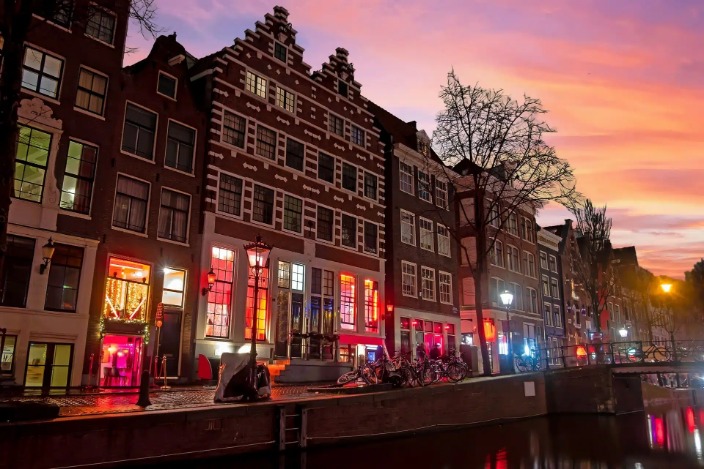
The hotel is in Amsterdam’s UNESCO-protected canal district, bordered by two waterways, including the scenic Prinsengracht (Prince’s canal). The Rijksmuseum is about a 10-minute walk away, and charming neighborhoods such as Jordaan and De Pijp are close by. Public transportation is easily accessible, and bike rentals are available—though some cycling experience is advisable before venturing into Amsterdam’s busy streets. AFAS Live is also host to many electronic dance music festivals, alongside many other venues. Armin van Buuren and Tiesto, some of the world’s leading Trance DJs hail from the Netherlands and frequently perform in Amsterdam. In the summertime, there are several big outdoor dance parties in or nearby Amsterdam, such as Awakenings, Dance Valley, Mystery Land, Loveland, A Day at the Park, Welcome to the Future, and Valtifest.
Celebrate Amsterdam’s 750th Anniversary: Top Events & Fun Activities
Days with more than 1 mm (0.04 in) of precipitation are common, on average 133 days per year. Leidseplein (Leidse Square) (2 km)Leidseplein is a bustling area filled with activity late into the night. Home to a number of shops, cinemas, a casino, bars, restaurants and even street performers, it’s a must-see for any visitor. Jordaan (1.4 km)Formerly home to the great artist Rembrandt, the Jordaan District is an upscale area characterised by art galleries, eateries, speciality shops and beautiful, historic buildings. All guests can enjoy unwinding at the end of the day with a glass of wine in one of our bars, a soak in our spa, or with a plate of authentic local cuisine in one of our restaurants.}
Many visitors choose to start their day at Keukenhof Gardens and then venture into the nearby tulip fields. Efficient planning and transportation options make it feasible to experience both attractions in one day. Unlike most other Dutch municipalities, Amsterdam is subdivided into seven boroughs, called stadsdelen or ‘districts’, and the urban area of Weesp.1 This system was gradually implemented in the 1980s to improve local governance. The boroughs are responsible for many activities that had previously been run by the central city. Fourteen of those had their own district council (deelraad), elected by a popular vote.
- The building is comprised of five Amsterdam townhouses sharing the same floor plan.
- In 2019, the new lock in IJmuiden opened; since then, the port has been able to grow to 125 million tonnes in capacity.
- A common sight on the Leidseplein during summer is a square full of terraces packed with people drinking beer or wine.
- We highly recommend booking in advance if you plan to visit Keukenhof.
After the independence of Suriname in 1975, a large wave of Surinamese settled in Amsterdam, mostly in the Bijlmer area. Other immigrants, including refugees asylum seekers and undocumented immigrants, came from Europe, the Americas, Asia, and Africa. In the 1970s and 1980s, many ‘old’ Amsterdammers moved to ‘new’ cities like Almere and Purmerend, prompted by the third Land-use planning bill of the Dutch Government. This bill promoted suburbanization and arranged for new developments in so-called “groeikernen”, literally cores of growth. Young professionals and artists moved into neighborhoods De Pijp and the Jordaan abandoned by these Amsterdammers. The non-Western immigrants settled mostly in the social housing projects in Amsterdam-West and the Bijlmer.
Tools And Services
Other subcultural music venues are OCCII, OT301, De Nieuwe Anita, Winston Kingdom, and Zaal 100. Jazz has a strong following in Amsterdam, with the Bimhuis being the premier venue. In 2012, Ziggo Dome was opened, also near Amsterdam Arena, a state-of-the-art indoor music arena. Amsterdam’s musical culture includes a large collection of songs that treat the city nostalgically and lovingly. The 1949 song “Aan de Amsterdamse grachten” (“On the canals of Amsterdam”) was performed and recorded by many artists, including John Kraaijkamp Sr.; the best-known version is probably that by Wim Sonneveld (1962). In the 1950s Johnny Jordaan rose to fame with “Geef mij maar Amsterdam” (“I prefer Amsterdam”), which praises the city above all others (explicitly Paris); Jordaan sang especially about his own neighbourhood, the Jordaan (“Bij ons in de Jordaan”).
However, the occupier soon responded crudely and brutally, smashing union and illegal party activity. With the edifice of resistance removed the SS and German police apparatus, supported by collaborators in the Dutch auxiliary police, arrested thousands of defenceless Jews in Amsterdam’s Jewish Quarter. The two main waves of arrest, culminating in deportation, occurred on 26 May 1943 and on 20 June 1943. Incensed, a broad spectrum of passive resistance was organized by the Dutch Underground. Trade unions, among them socialist and Communist Party activists, led the protest.