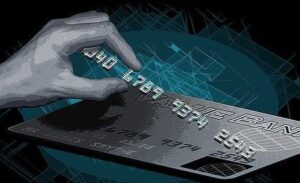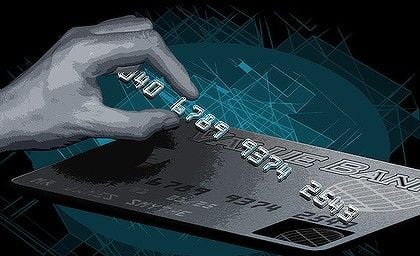
The dark web serves as a thriving marketplace for stolen credit card information. Criminals buy and sell credit card data, exploiting it for various illegal activities. This underground economy poses significant risks to individuals and financial institutions alike. In this shadowy realm, hackers can obtain credit card details through various means, including phishing campaigns, malware attacks, and data breaches.
Rene Millman is a freelance writer and broadcaster who covers cybersecurity, AI, IoT, and the cloud. He also works as a contributing analyst at GigaOm and has previously worked as an analyst for Gartner covering the infrastructure market. He has made numerous television appearances to give his views and expertise on technology trends and companies that affect and shape our lives.
Dark Web Credit Card Fraud: A Complete Guide
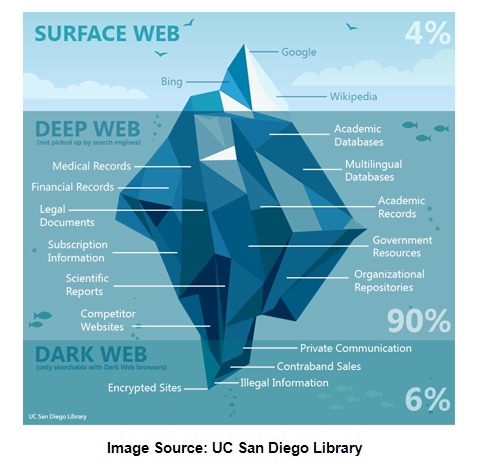
The dark web is a vast and decentralized network where information is traded anonymously. The best course of action is to focus on damage control, such as cancelling the compromised card and monitoring your accounts for any unusual activity. Stolen credit card numbers are often used for online shopping sprees or to make in-store purchases through digital wallets. These transactions can happen across different countries, making them harder to trace. If your card is linked to auto-pay services or has a high spending limit, the damage can escalate quickly—often before your bank even flags it as suspicious. Kaspersky is a global cybersecurity and digital privacy company founded in 1997.
- BleepingComputer has discussed the authenticity with analysts at D3Lab, who confirmed that the data is real with several Italian banks, so the leaked entries correspond to real cards and cardholders.
- It’s important to detect fraud when a threat actor is trying to use stolen payment information to make a purchase from your business.
- If you don’t take the proper steps to secure your credit card information, you place yourself at risk of becoming a victim of identity theft, which is not easy or quick to recover from.
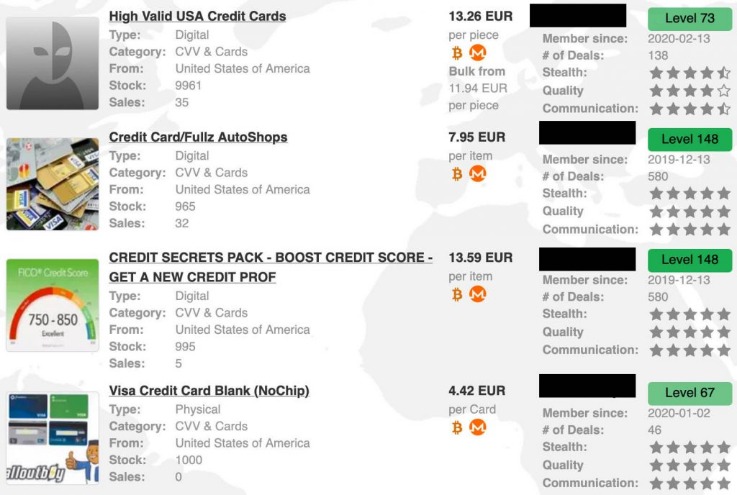
- These underground platforms facilitate anonymous transactions where criminals can purchase credit card information in bulk, complete with the cardholder’s name, number, and CVV.
- The site also has a unique news section, listing new leaks and their size.
How To Keep Consumers Safe From Carding
BidenCash is a stolen cards marketplace launched in June 2022, leaking a few thousand cards as a promotional move. Internet criminals buy and sell personal data on the dark web to commit fraud. Even in a digital age, criminals still steal mail for financial documents containing sensitive information. I’ve seen cases where security teams identified compromised card data from their institution appearing on the dark web weeks before they traced the actual breach point. What many don’t realize is that much of this stolen data comes from large-scale breaches rather than individual card skimming.
Which Darknet Markets Are Still Open
With this stolen information, fraudsters can make unauthorized purchases, withdraw funds, or even create counterfeit credit cards. The risks are real, as victims can face significant financial losses, damage to their credit scores, and potential identity theft. Dark web transactions play a key role in fund transfers for credit card fraud. Cybercriminals use cryptocurrency to buy and sell stolen card data anonymously. Our investigation into the activities of b1ack’s Stash has unveiled a substantial threat to the security of payment card data across local banks. Analysis of the leaked data, likely sourced from phishing campaigns, suggests a high probability of the validity of these stolen cards based on the available information.
Monitoring The Dark Web
Even using unsecured public Wi-Fi can expose your data to cybercriminals. Earlier this year, a New York man pled guilty to managing a credit card theft scheme responsible for stealing $1,500,000 from 4,000 account holders between 2015 and 2018. According to the United States Attorney’s Office, the ring of thieves obtained the credit card information on the dark web, and used that information to create their own cards. The fraudulent credit cards were used to purchase gift cards, flights, hotels stays, and other goods and services.
Million Devices Are Infected By Malware That Steals Bank Card Data Including Passwords
In today’s digitally connected world, the risk of credit card theft has evolved far beyond physical theft. Criminals leverage various tactics, both old and new, to access sensitive financial information. Understanding these methods can help you protect yourself and your financial data.
Common IoT Attacks That Compromise Security
Depending on the type of user and employee information the company stores, the type of information that can be exposed varies. Yes, banks have systems to investigate and potentially identify individuals who use your debit card online. Reporting the incident can help the bank work with law enforcement to find the perpetrator. Card cloning involves creating a replica of a credit card using the stolen information, which can then be used to make purchases or withdraw cash. A lone hacker broke into the company’s systems and stole personal identification and credit/debit card data. Those details are useful for tactics like spearphishing specific people to try to steal their login credentials for personal or work accounts, researchers say.
Join LifeLock Ultimate Plus to get a range of features that can help you protect against the risk of credit card fraud, including bank and credit card alerts that make it easier to spot fraudulent charges. Early detection is key to stopping criminals before they cause serious damage. It’s a classic method—steal a wallet, and you’ve got instant access to credit cards.
A team of global military-grade cybersecurity experts work alongside customers to rapidly detect, investigate, and disrupt relevant threats – before they have the chance to develop into major incidents. Cyberint conducted an in-depth analysis of a subset of the leaked payment card data involving six major local banks, totaling 45,195 cards. Our analysis showed that 42,310 of these stolen cards were unique or first observed in the Argos intel collection. The dataset included a mix of debit and credit cards, mainly from MasterCard and Visa, but also included American Express and JCB. This incident highlights the persistent threat of financial fraud on illegal platforms and underscores the urgent need for enhanced cybersecurity measures.
Stolen credit cards and their details are added and bought on these shops on an hourly basis, and more and more markets launch a matching forum and/or a Telegram channel to keep expanding and supporting criminal online activity. B1ack’s Stash, a new dark web marketplace, recently gained significant attention by releasing 1 million stolen credit card details for free upon their debut on April 30, 2024. The carding shop promoted this giveaway through several known carding forums on the darknet to attract a larger customer base.
How To Use Privacy Cards
With so many ways for thieves to steal your credit card information, it’s more important than ever to stay vigilant. Taking proactive steps to safeguard your financial data can save you from the hassle of dealing with fraud down the road. Yes, criminals still go through trash looking for bank statements, lost wallets, bills, or credit card offers. Mail theft is also common—stealing account details before they even reach your mailbox. Without proper shredding, sensitive documents could easily give a thief everything they need. Additionally, be cautious when sharing personal details online, especially on social media platforms where hackers may gather information for phishing attacks.