But, 3,4-DMA substituted in MDA-trained animals.49 The optical isomers of 3,4-DMA substituted both in MDMA- and PMMA-trained animals with relatively little difference in potency (Table 3). This suggested that the 4-position oxygen atom is more important for PMMA-like action whereas the 3-position oxygen atom favors MDMA-like actions. When both methoxy groups are present, such as in 3,4-DMA, the resulting compound displayed both types of actions and was relatively similar in potency. Finally, the stage was set to examine various arylalkylamines and to classify them as being hallucinogens (actually, as being DOM-like) or stimulants (or being amphetamine-like).
The Many Health Benefits Of Phenylethylamine (PEA) – Your Brain’s Natural Stimulant
Additionally, taking PEA precisely as directed is critical, and usage should cease if adverse side effects appear. Phenylethylamine acts as a central nervous system stimulant and has the important role of helping the body create certain chemicals that play a role in mood stabilization. In fact, chemically it works similarly to the drug amphetamine (or Adderall, used to treat attention deficit hyperactivity disorder, narcolepsy and obesity), which is why taking too much is a bad idea. Some studies were supported by NIMH grant MH (various serotonergic agents including development of NAN-190). The author wishes to thank his graduate students, postdoctoral fellows, laboratory assistants, and collaborators (who shared co-authorship of many of the papers cited here). In particular, collaborators Dr. Richard Young and Dr. Małgorzata Dukat deserve special recognition for their critical scientific input and assistance with many of these studies.
Galectins are a family of soluble carbohydrate binding proteins with several roles in inflammation, immune response, autophagy or signaling. Tejler et al. 172 described the synthesis of lactose derivatives, such as 121 with the phenethylamine moiety by 1,3-dipolar cycloadditions, with selective galectin-1 inhibition (Figure 14). More advanced DBH inhibitors are constituted by imidazolethione amines, such as etamicastat 142,143, nepicastat 144 or zamicastat 145, with low resemblance to dopaminergic amines.
In summary, we demonstrated that β-PEA has rewarding and reinforcing effects and induces stereotypical behaviors and a positive affective state by increasing the DA concentration and expression of DA-related proteins (TH and p-DAT) in the striatum of rodents. In addition, circling behavior and β-PEA-taking behavior are attenuated by blockade of DAD1R. Therefore, our results suggest that the activation of DAD1R is important for β-PEA-induced addictive behaviors.
1 Attention Deficit Hyperactivity Disorder
While eating excessive amounts of chocolate isn’t likely to provide a lot of PEA, you might be able to help boost the levels in your body by consuming other foods rich in the amino acid phenylalanine. PEA is also available in supplement form and is used to alter appetite, mood, and mental alertness, according to the World Anti-Doping Agency, which has banned its use in sports. PEA may have certain adverse consequences, especially when taken in high dosages. These symptoms can include tension headaches, motion sickness, nausea, a faster heartbeat, and high blood pressure. PEA may potentially interact with other drugs, notably those that change the brain’s levels of monoamine neurotransmitters. Before using PEA, it’s vital to speak with a doctor, especially if you’re on any drugs or have any underlying medical issues.
Dopamine is simply phenethylamine with a hydroxyl group attached to the 3 and 4 position of the benzene ring. Several notable recreational drugs, such as MDMA (ecstasy), methamphetamine, and cathinones, are also members of the class. Because LSD (2) was an established hallucinogen in humans, some of our first studies employed LSD as training drug. Here too, stimulus effects were dose-dependent.20 Eventually, we settled on the phenylalkylamine hallucinogen DOM (11) as training drug. Rats were trained to discriminate 1.0 mg/kg (i.p.) of DOM from saline vehicle (i.e., the non-drug condition) and tests of stimulus generalization and stimulus antagonism were conducted. Numerous endogenous compounds – including hormones, catecholamines such as dopamine and noradrenaline, and many trace amines (e.g. adrenaline, phenethylamine itself, tyramine, thyronamine, and iodothyronamine) – are substituted phenethylamines.
Because MDA and both its optical isomers substituted in MDMA-trained rats,53 it seemed that aryl substituents, rather than the N-methyl group, were dictating the stimulus action of these agents. Phenylethylamine (PEA), often referred to as the “bliss molecule,” plays a significant role in mood support due to its direct link with dopamine regulation in the brain. Dopamine, a neurotransmitter essential for motivation, pleasure, and focus, is influenced by PEA’s ability to stimulate its release while inhibiting its reuptake. This process enhances synaptic activity, allowing for sustained feelings of euphoria, mental clarity, and emotional stability. Many individuals turn to natural nootropics or supplements containing PEA for its potential to amplify mood and promote energy support, often in combination with adaptogenic compounds like lion’s mane medicinal mushrooms and cordyceps mushroom extract.

4 Β-PEA Was Self-Administered Under Fixed Ratio Schedules Of Reinforcement In Rats
Its level increases during fermentation of cocoa and in roasting cocoa beans, with a concentration in the mg per kg range. This led to a widely-touted suggestion that people could increase their brain levels of PEA by eating chocolate, and that this could be linked with falling in love (even nowadays, especially around February 14th). This may have done wonders for chocolate sales, but the rapid metabolism of phenylethylamine by MAO-B will stop this PEA from reaching the brain.
5 Β-PEA Produced A Higher Breakpoint In Self-Administration Under Progressive Ratio Schedules Of Reinforcement In Rats
This result suggests that in native neurons DAT-1 and other unknown proteins are required by βPEA to elevate extracellular DA. Both MAO-A and MAO-B metabolise tyramine, but only MAO-B metabolises phenylethylamine. They are found in the intestinal tract, liver and brain, but 80% of intestinal MAO is of the subtype A and is thus mainly responsible for degrading tyramine, so it is inhibition of MAO-A that is mainly responsible for the cheese effect. Subsequently selective MAO-B inhibitors (e.g. selegiline) were developed that do not cause the cheese effect at the correct dose. Nowadays other drugs like tricyclic antidepressants, which act differently, are the drug of choice, and they do not suffer from a cheese reaction. Tyramine and other trace amines have more recently been linked with cluster headaches.
Scientific Studies Supporting The Cognitive Benefits Of Phenylethylamine
The compounds in chocolate that allegedly have positive effects come from the cacao bean, so the darker the chocolate, the more of these compounds it contains. Milk chocolate has less than dark chocolate, and white chocolate has nearly none because it includes no cocoa solids, only cocoa butter. Phenylethylamines are a group of phenethylamine derivatives which contain PEA as a backbone.
Best Herb For ADHD Support: How Natural Remedies And Herbs For ADHD Women May Help Boost Focus And Calm
- Moreover, they show that about 40% of dopaminergic neurons did not respond to βPEA treatment suggesting, as previously shown for mammalian DA neurons, that physiological differences might exist among different subtypes of C.
- However, the potential for specific agents acting by a combination of these mechanisms represents nuances that require further investigation.
- In particular, collaborators Dr. Richard Young and Dr. Małgorzata Dukat deserve special recognition for their critical scientific input and assistance with many of these studies.
- SelfHacked has the strictest sourcing guidelines in the health industry and we almost exclusively link to medically peer-reviewed studies, usually on PubMed.
Exercise may improve mood and it has been linked to increased brain phenethylamine in limited studies 36, 37. Since dopamine and other catecholamines are released during excitement or arousal, phenethylamine has been linked to sexual drive and feelings of pleasure. Phenethylamine is therefore sometimes referred to as the “love drug,” though clinical trials are completely lacking 30, 31.
Several notable recreational drugs, such as MDPV (Monkey Dust), MDMA (ecstasy), methamphetamine, and cathinone, are also members of the class. Many well-known prescription drugs are from the phenylethylamine class such as Adderall which uses Amphetamine, Desoxyn which uses methamphetamine, and Sudafed which uses pseudoephedrine. Innovative delivery methods, including NAD nasal spray and theanine nasal spray GABA, provide direct, fast-acting support to the brain. These solutions are designed to optimize neurotransmitter function and support cellular energy production with compounds like NAD, an essential coenzyme that acts as a NAD booster for cognitive and physical energy. Additionally, products such as the kanna nasal spray theanine combine traditional mood-enhancing botanicals with amino acids to regulate stress responses effectively.
Unlock Personalized Health Insights For Your Clients
To further investigate this unique and very intriguing phenomenon, we trained rats to discriminate racemic MDA from saline vehicle. This seemed to be borne out by subsequent stimulus generalization studies. One significant way this compound supports cognition is by enhancing the release of norepinephrine, a neurotransmitter implicated in the brain’s fight-or-flight response. This action sharpens focus and mental clarity during stress, allowing for heightened cognitive function. Additionally, PEA’s influence on serotonin provides mood regulation, promoting a sense of bliss and emotional balance. These effects make PEA a potential candidate for mood support when combined with other natural nootropics like kanna nasal spray theanine or theanine nasal spray gaba for synergistic effects.
Serotonergic Drugs Interacts With PHENETHYLAMINE (PEA)
Even so, some experts think that supplementing may not have significant effects, due to how this compound is rapidly broken down into inactive components. One study found that supplementing with 10–60 milligrams of phenethylamine daily along with the antidepressant drug called selegiline (Anipryl, Eldepryl) helped relieve depression in 60 percent of participants. An impressive 86 percent experienced relief from depression symptoms for up to 50 weeks. PEA has been shown (mostly in animal studies) to activate dopamine transporters and certain chloride channels that affect moods and behaviors. Pharmaceutical drugs that are substituted phenethylamines include phenelzine, phenformin, and fanetizole, among many others.
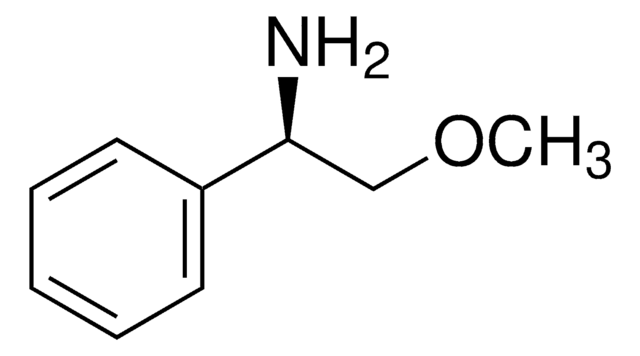
B Development Of 5-HT2 Receptor Antagonists
Customers report significant stomach issues with the supplement, including nausea, strong stomach pain, and awful diarrhea. Customers have mixed experiences with the appetite suppressant effects of this supplement, with some reporting it helps reduce hunger while others say it doesn’t work at all. Designed for ease and convenience, the blue-and-white speckled tablets are compact and easy to take. Their unique appearance stands out and aligns with the product’s commitment to providing a premium user experience. This repository is under review for potential modification in compliance with Administration directives. Additionally, researchers may investigate individuals’ genetic differences in metabolizing PEA to identify subgroups that might experience heightened or reduced cognitive benefits.