But navigating the dark web is full of cybersecurity and legal challenges. Therefore, you should stay cautious and avoid clicking when accessing the dark web. Doing so will protect you from accidentally accessing illicit content or becoming a victim of malware. Using a VPN alongside Tor adds an extra layer of security by hiding your IP address from Tor entry nodes and encrypting your traffic. This prevents anyone—including your ISP—from knowing that you’re using the Tor network. Though there are other ways to access onion websites, it is recommended that you always use Tor to access dark web websites.
You won’t be able to access .onion addresses using a standard search engine as they aren’t indexed by crawlers. Using a VPN (Virtual Private Network) in tandem with the Tor browser ensures an added layer of security by encrypting your traffic before it reaches the Tor network. Among the many benefits of using a VPN vs a proxy or Tor is that it provides full encryption for all the data you send and receive online. So not only is your web activity hidden, but you can mask your IP address by connecting via a wide range of global VPN server locations. This is why, despite the protections already in place, investing in one of the most private VPNs is crucial before heading onto the dark web.

How To Get On The Dark Web Safely & Anonymously In 2025?
Below are some trustworthy starting points and authoritative references. Law enforcement agencies keep an ear to the ground on the dark web looking for stolen data from recent security breaches that might lead to a trail to the perpetrators. Many mainstream media organizations monitor whistleblower sites looking for news. Law enforcement officials are getting better at finding and prosecuting owners of sites that sell illicit goods and services. In the summer of 2017, a team of cyber cops from three countries successfully shut down AlphaBay, the dark web’s largest source of contraband, sending shudders throughout the network.
What Types Of Services Can Cybercriminals Access On The Dark Web?
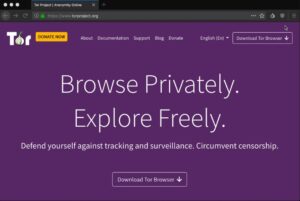
Part of what makes the dark web the dark web is that you can’t access it through your normal web browser, nor can you look something up on it via a Google search. Lokinet is easier to set up than I2P, and it may run faster than Tor in some cases, especially when visiting regular websites through its secure network. However, its network is still small, and there aren’t many hidden services available yet. You’ve probably heard that Tor makes you anonymous on the dark web — but that’s only half true.
One of the most dangerous aspects of the Dark Web is its potential to facilitate large-scale cyberattacks. Hackers can purchase everything from stolen data to zero-day vulnerabilities (security flaws in software) that allow them to exploit systems before the vulnerabilities are patched. The Dark Web often carries a stigma, primarily due to its association with illegal activities.
Improving The Web: Building A Smarter, Safer, And Faster Internet
- However, using the dark web for illegal activity can be a criminal offense.
- We also recommend that you use a VPN for Tor, as this will ensure that you add an extra layer of privacy to your connection to Tor.
- You don’t even need to use Tor Browser, but keep in mind other browsers can still pass identifying information through the network.
- There are a lot of misconceptions about it, but we’ll answer that question once and for all in this guide.
Many of these Reddits have rules prohibiting linking to illegal sites and services, so you likely won’t find anything illegal there. Darknet markets facilitate transactions for illegal goods and services. Silk Road was one of the first dark web marketplaces and it allowed users to trade multiple types of nefarious goods and services, including weapons and identity fraud resources. While many dark marketplaces have been shut down by authorities, new ones soon appear in their place.
Watch Out; Your ISP Could See You Using The Tor

But if you must visit the dark web for ethical reasons, here are some safety precautions. The deep web is the next layer, and it encompasses a massive amount of online data that is not available for public consumption and not indexed by clear web search engines. Deep web content includes academic research papers, court documents, or medical records. For example, when you sign in to your healthcare provider’s portal to view test results or request prescription refills, you’re accessing the deep web. Even in an era of increased online surveillance, the average person on the internet likely has too much to lose to bet on their safety for curiosity’s sake.
Know How Dark Web Websites Work

The content produced on this website is for educational purposes only and does not constitute investment advice or recommendation. Always conduct your own research or check with certified experts before investing, and be prepared for potential losses. Opinions expressed herein are those of the authors and not necessarily those of Analytics Insight, or any of its affiliates, officers or directors. The dark web is just misinterpreted; it is not intrinsically dangerous. Used ethically, such as for privacy or study, one can search this area lawfully and safely. Combined with smart surfing behaviour and technologies like Tor and a VPN, even the darkest reaches of the internet may be securely traversed.
- While the dark web can be a helpful tool for sourcing legitimate products or ensuring private communication, it’s also a hotspot for illegal internet activity.
- While the Tor Browser does an excellent job of protecting your privacy and anonymity, you really shouldn’t use it as your daily driver browser.
- Hidden Facebook is hardly the only social media client on the dark web.
- These services can range from malware, botnets, and DDoS attacks to phishing kits.
- The trick with these onion websites is their accessibility, which is made possible only with Tor.
- These pages are not indexed by search engines and are protected behind security walls, authentication forms, and passwords on the deep web.
What Tools Can Help Keep You Safe On The Deep Dark Web?
The dark web has witnessed the rise and fall of numerous illegal marketplaces over the years. Perhaps the most infamous was Silk Road, regarded as the first darknet market, which was eventually shut down by the FBI in 2013. Cybercrime on the dark web fuels global issues, including organized crime, identity theft, and even the financing of terrorism. These services can range from malware, botnets, and DDoS attacks to phishing kits.
The Role Of VPNs In Accessing The Dark Web
When you access a dark web site, your connection is routed through multiple nodes, each adding a layer of encryption. This process is akin to peeling an onion, hence the name for the Tor network. Each layer ensures your IP address remains hidden, offering a degree of anonymity unparalleled on the surface web. However, this also means that navigating the dark web can be slower due to the extensive encryption involved.
The deep web is just the part of the internet you can’t find with a search engine. It’s not mysterious or spooky; it’s home to everyday things like scientific research, medical records, private financial information, and secure communications. The Dark Web traces its origins back to the ARPANET, a precursor to the modern internet. Initially a tool for secure government communication, it quickly caught the attention of those wanting to operate outside the law.
Install The Tor Browser
Conversely, skilled hackers can offer their services, demanding high fees for their expertise. Ensure that you’re aware of what is permissible in your jurisdiction. Remember to uninstall any plug-ins you have before downloading, or prepare for them to be blocked – they can sometimes reveal your IP address, even if you’re using a VPN or onion router.