Furthermore, In 2023, drug spending in nonfederal hospitals decreased by 1.1%, totaling USD 37.1 billion, while expenditures in clinics increased by 15.0% to USD 135.7 billion. Clinic growth was driven by higher utilization, with a minor impact from new products and price changes. In nonfederal hospitals, lower utilization led to reduced spending, while new drugs and prices had a modest influence. Several new drugs expected in 2024, especially in specialty, endocrine, and cancer treatments, will continue to drive spending. On the basis of distribution channel, the prescription drugs market is segmented into hospital pharmacy, retail pharmacy, online pharmacy, and others. The hospital pharmacy segment led the market with a share of 42.1% in 2024, due to centralized drug dispensing and institutional procurement.
Which Distribution Channel Led The Market In 2024?
The companies and countries that successfully adapt to this new era of complexity and innovation will not only lead the industry but will also play a pivotal role in ensuring the future of accessible and sustainable healthcare for a global population. This high-volume, low-cost dynamic makes generics a critical tool for managing national health expenditures and ensuring broad patient access to essential treatments. Based on molecule type, the market for conventional drugs (small molecules) dominated with a revenue share of 54.7% in 2024.
- This situation can pose difficulties for patients and healthcare providers who rely on these medications.
- Also, market share analysis and key trend analysis are the major success factors in the market report.
- The pharmaceuticalmarket is projected to surpass around USD 2.8 trillion by 2033, withtechnological innovations such as AI in drug discovery, precision medicine, anddigital health shaping its future.
- A critical growth driver for branded drugs is the continuous pipeline of novel therapeutics targeting complex conditions with high unmet medical needs.
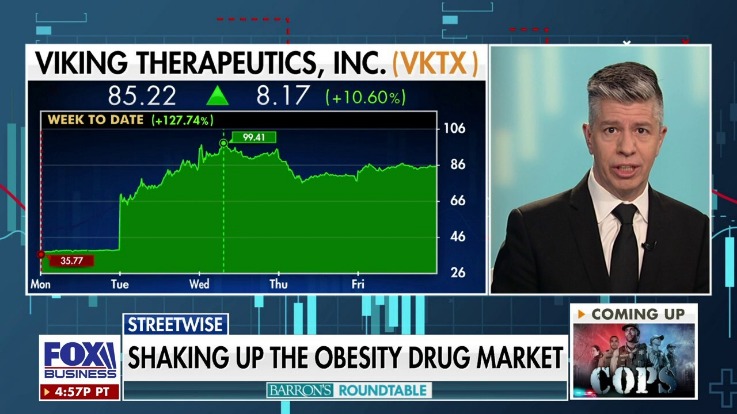
- According to the new estimates, about 11% of the global eligible population of 1.3 billion people could be on obesity drugs, including 20% of eligible patients in the U.S. and 10% in other countries.
- We empower life sciences with connected intelligence, transforming data into actionable insights for smarter decisions and better patient outcomes.
GROWTH DRIVERS
Factors such as rising demand for preventive care, early diagnosis, and advanced treatments drive market growth among adults. The working-age population’s focus on health management, coupled with higher healthcare spending, further supports this dominance. In addition, the growing incidence of obesity, cardiovascular diseases, and cancer in adults contributes to the segment’s leading market position. The region houses several major pharmaceutical players, including Sandoz,Mylan, Merck, and Amgen Inc. Increasing healthcare costs in the region includethe presence of a robust insurance network that now widely covers genericmedications, solidifying North America’s position as a regional leader in themarket. Drugs are substances other than food, derived from natural, synthetic, or semisynthetic sources, containing active pharmaceutical ingredients (API) and excipients, to achieve their pharmacological activity in the body.
Pharmaceutical Market Driver – Rising Prevalence Of Chronic And Infectious Diseases
As more generic drugs are introduced into the market, the competition among manufacturers increases. Over time, multiple manufacturers may enter the market with generic versions of the same drug, leading to a crowded and highly saturated market. The saturation of the generic drug market presents challenges for manufacturers, including intense competition and price erosion. With multiple generic options for the same medication, it becomes challenging to differentiate products and establish brand loyalty. Price often becomes the primary factor in purchasing decisions, leading to a commoditization of generic drugs.
Regional Analysis
In response to the relentless margin pressures and commoditization inherent in the traditional generics model, the industry is undergoing a strategic metamorphosis. Instead, they are actively moving up the value chain, embracing product complexity and leveraging technological innovation to create more defensible market positions. This shift marks a new era for the industry, one defined by scientific sophistication, advanced manufacturing, and digital transformation. Success now requires highly tailored, region-specific approaches to market access, regulatory affairs, and supply chain management. Discover how Mercer Government’s Managed Pharmacy practice helps state Medicaid programs tackle the challenges of cost management and access to care. Our fact sheet highlights our comprehensive expertise—from consulting and actuarial forecasting to clinical quality and data analytics.
A clear market focus allows for more effective resource allocation, targeted marketing campaigns, and better positioning against local competitors, ultimately driving growth in those targeted areas. These factors, coupled with increasing players’ initiatives to introduce brand drug equivalents, further aid in market growth. Patient advocacy groups have become powerful and influential stakeholders in the healthcare ecosystem.
This platform contains insights related to the latest global, regional and subregional estimates and trends in drug demand and drug supply in the form of global, regional and sub-regional Key Findings that are easy to search. The user can explore the key findings sequentially following a narrative by their topic of choice. Alternatively, the user can search these key findings using the different filter options by region, topic, market, and more, or search by keyword using the search bar, by going to the “Advanced Search” section. Each key finding contains insights presented through succinct messages, supported by a number of data visualizations based on the latest available data, including interactive graphs, infographics and maps.
PHARMA MARKET SEGMENTATION
In recent years, heroin, the formerly dominant street opioid in North America, has been systematically replaced by fentanyl 3. This synthetic opioid is approximately 70 times more potent than morphine and has become a main driver of the overdose crisis 4. Extremely high levels of prescription opioid use in the early 2000’s have contributed to the crisis 5.
List Of Key Companies In Prescription Drugs Market

On the basis of route of administration, the prescription drugs market is segmented into oral, topical, parenteral, and others. The oral segment accounted for the largest revenue share of 51.2% in 2024, due to ease of use and widespread application in chronic disease management. The branded drugs segment dominated the market with the largest revenue share of 62.5% in 2024, attributed to patent exclusivity, strong marketing strategies, and clinical preference in specialty therapeutics.

The oncology segment is anticipated to dominate the therapy segment due to the increasing prevalence of cancer and the high costs attributed to the treatment of the various forms of cancer. Further, the rising number of regulatory approvals for targeted therapies in the treatment of cancer is another factor contributing to the segmental growth. The United States was the largest national pharmaceutical market in 2024, making up around 53 percent of the total pharmaceutical prescription drug market worldwide. China is the second-largest market, with a market share of nearly eight percent (however, including only the hospital market).
By route of administration, the oral segment held the largest share of the generic drugs market in 2024. The oral route is the most preferred route of administration due to its ease of use and cost-effectiveness. Oral-route drugs increase patient medication adherence and eliminate the need for trained professionals to administer drugs.
Monoclonal antibodies are expected to capture 25.2% of the injectable drug market share in 2024, reflecting their growing use in oncology and chronic inflammatory diseases. Drugs such as Alemtuzumab and Bevacizumab are increasingly adopted to target various cancer types due to their precision in attacking tumor-specific antigens, improving patient outcomes. Injectable drugs play a crucial role in the treatment of various conditions including oncology, diabetes, autoimmune disorders, and infectious diseases. Their ability to provide rapid therapeutic action, improved bioavailability, and precise dosing has made them indispensable in modern medical care.

The widespread presence ofretail pharmacies, ease of access, and affordability of generics drive highsales volume in this channel. According to the World Health Organization, between 2 and 3 million cases of non-melanoma skin cancer and 132,000 cases of melanoma skin cancer are detected each year. Furthermore, the global prevalence of psoriasis ranges from 0.09 percent to 11.43%, making it a severe global disease affecting at least 100 million people. The market for sophisticated topical products is likely to rise in the coming years, as topical drug administration is the first line of treatment for the majority of skin illnesses. By distribution channel, the hospital pharmacies segment is anticipated to show lucrative growth in the market over the coming years. The segmental growth is attributed to the presence of trained professionals and the increasing number of hospitalizations.
Market Share Of The Leading Global Pharmaceutical Markets 2024
However, countries like Germany have similarly high rates of opioid prescriptions and yet, are not experiencing a shift from heroin to fentanyl, nor are they experiencing an increase in overdose deaths. This suggests a much more intricate array of factors that can account for the ongoing development in North America 6. Indeed, it is much more likely that a complex entanglement of economic and structural factors resulted in the unprecedented drug market shift towards synthetic opioids. This shift changed nearly everything that has been assumed so far regarding drug markets, patterns of use, and drugs of choice. In this region, there is a rapidly rising portion of the geriatric population that is demanding healthcare services and pharmaceutical medications, especially in countries like Saudi Arabia, which is going to rise in demand for drugs to treat age-related disorders.
Generic Drugs Market Trends
The U.S. pharmaceutical market demonstrates a high degree of innovation, driven by advancements in drug discovery, biotechnology, and personalized medicine. Key areas of focus include mRNA technologies, gene therapies, biologics, and AI-driven drug development. Continuous investment in R&D has led to breakthroughs in oncology, immunology, and rare disease treatments, significantly enhancing patient outcomes and driving market growth.