
When a user and a website send data to each other over Tor, the data packets are randomly routed through a massive network of volunteer computers. Each of these nodes only knows where the packet just came from and where it’s going next, as each layer of an encryption onion is stripped from the packet contents. It’s only when the packet reaches the final destination that the last layer of encryption is removed and the intended recipient gets the original data. The dark web, on the other hand, refers to encrypted networks that are intentionally hidden and anonymous. Websites on the dark web often engage in illegal activity like drug trafficking or other black markets.
CISO’s Guide To Threat Intelligence 2024: Best Practices
Dark web monitoring is when a tool is used to scan the dark web for your personal information such as your email address or credentials. This can be done manually with a free service that doesn’t notify you, or it can be done automatically with a tool that detects and notifies you when your credentials are being sold on the dark web. At the moment, the Dark Web is defined as a layer of information and pages that you can only get access to through so-called “overlay networks”, which run on top of the normal internet and obscure access. You need special software to access the Dark Web because a lot of it is encrypted, and most of the dark web pages are hosted anonymously.
Legal Implications
Any website or page that’s not behind a paywall, login, or specialized network protocol can be included in these indexes. This results in a massive interlinked structure of publicly available information, from news articles and recipes to online shops and social media networks. On the Deep Web, these risks primarily relate to the fact that you need to authenticate to access a private site and that these sites contain a great deal of sensitive and valuable personal data. If your password or other credentials are the key to unlocking this data, then cybercriminals will attempt to steal these credentials via phishing, social engineering, malware, and other means. Simply browsing the dark web is typically not illegal, but it can be risky. Law enforcement often monitors dark web sites, and your internet activity and IP address are not anonymous.
The internet plays host to many other services, such as streaming video, FTP (file transfer protocol), email, etc. Check Point offers cyber security risk assessments, which help organizations to identify their cyber risks and develop plans for remediating them. In summary, while the dark web seems ominous, it comprises only a tiny portion of the massive deep web and the internet. The vast majority of online activity happens on the surface web and legitimate parts of the deep web that we access daily. The deep web and dark web are fascinating parts of the internet, but also risky.
What Should I Do If My Social Security Number Is On The Dark Web?
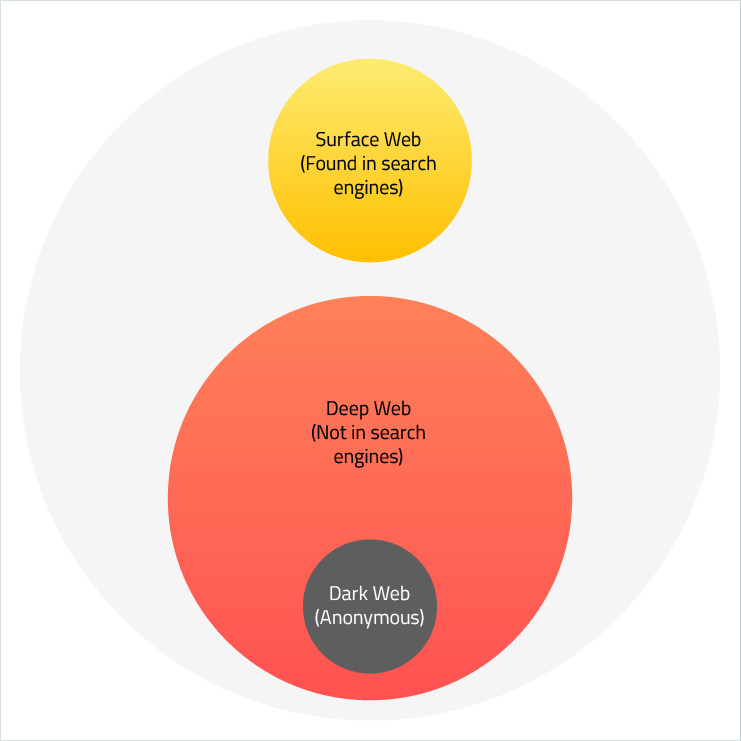
Most deep web resources serve legitimate purposes and exist to protect confidential information rather than conceal illegal activities. The deep web refers to all internet content not indexed by standard search engines like Google or Bing. Understanding Deep Web vs Dark Web concepts helps cybersecurity teams decide where to focus resources, which tools to use, and how to protect enterprise data from unseen threats. Unlike the Deep Web, the Dark Web is a portion of the internet that’s intentionally hidden and only accessible using specialized tools like Tor (The Onion Router) or I2P (Invisible Internet Project). These tools anonymize the user’s identity and location, making their actions untraceable.
- Despite their conveniences, cloud and email services can be tempting targets for hackers if not adequately protected, causing costly data breaches.
- Law enforcement agencies all over the world are aware that the Dark Web enables criminality.
- Common items for sale include credit card data, credentials, and even fingerprints.
- However, government agencies do monitor the Dark Web and work to crack down on criminal activity.
- The dark side of the Deep Web vs Dark Web conversation involves real-world cybercrime.
Cybersecurity Issues
This could be because the pages are not indexed, meaning they can’t be found by searching for them on search engines, they are paywalled websites or private databases. To access deep web content, you’ll need the direct link or sign-in credentials that grant you access to it. From databases to intranets to websites waiting to be launched, Deep Web content is usually hidden behind a username and password or other security measures to keep it safe. This includes items like email, financial and social media accounts, databases operated by private and public organizations, medical and legal documents, etc. Since the Dark Web is a collection of websites that are only accessible via darknets, let’s take a moment to define what darknets are.
Eugene Personal Blog
- However, you cannot simply browse to sites on the dark web — you have to take steps to ensure privacy first.
- In addition, messaging platforms such as Telegram can be a complement to dark web forums and marketplaces.
- In addition, studies have revealed that many VPNs lack reliable security.
- While both are often misunderstood, they serve different purposes and come with distinct risks.
- Organizations that monitor dark web activities can detect credential exposure and potential threats before they materialize into breaches.
- As a deep web subsection, the dark web shares many characteristics.
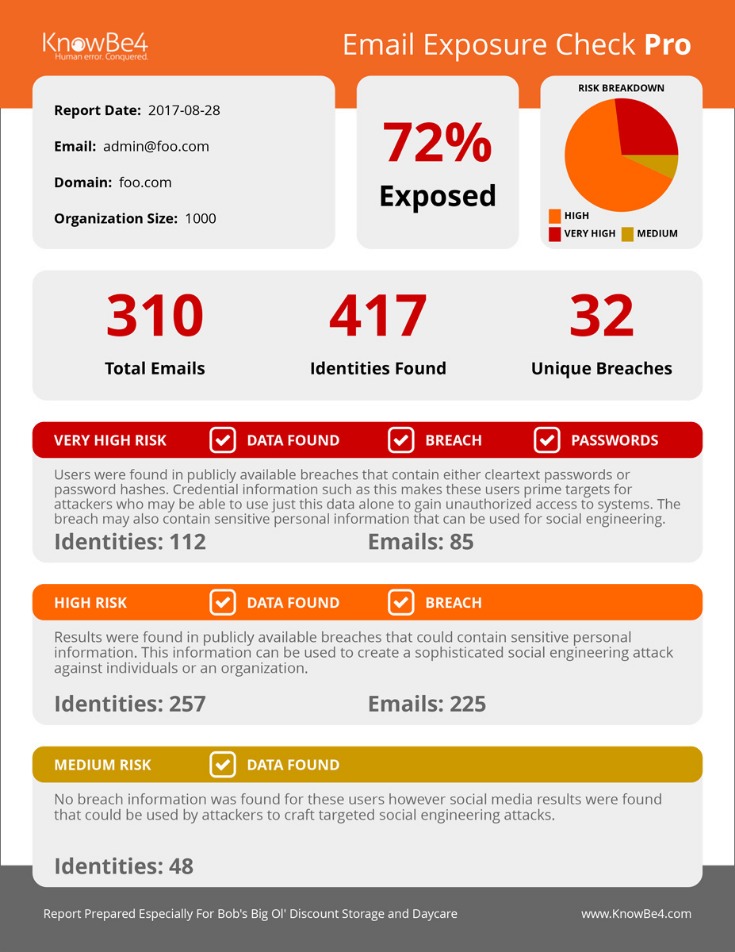
This enables the fetching of responses to queries sent by you and me. Simply put, search engines use software (called crawlers or web spiders) that visit all sites and send them for indexing. If a particular website does not allow the crawlers to send the data for indexing, the site is not indexed and hence, cannot be seen on search engines. Many of the email addresses and identities of your organization are exposed on the internet and easy to find for cybercriminals. With that email attack surface, they can launch social engineering, spear phishing and ransomware attacks on your organization.
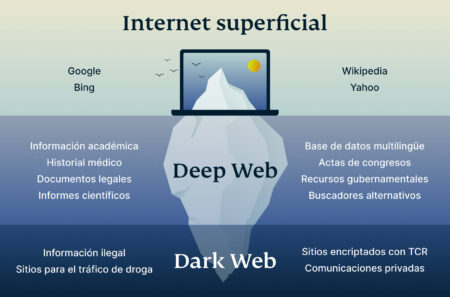
Having said that, the content on the deepweb can be accessed by a direct URL or IP address, but usually requires a password. The darkweb can only be accessed using dedicated software like TOR (The Onion Router) and I2P (Invisible Internet Project) and a VPN. There are several tools used for reaching these parts of the internet.
WANT TO TRY THE TOP VPN RISK FREE?
Accessing the dark web itself is not illegal, but buying or selling illegal goods on dark web markets certainly is. While the Dark Web is known for illegal activity, not all of its content is unlawful. The Dark Web also protects political dissenters, whistleblowers, and journalists. Some people use it to bypass censorship or share information anonymously.
It’s where our daily online activities take place, and what most people consider to be the Internet. This over familiarity with it gives us a sense that we understand what it is and how it works, because, well, it works. It’s run by global volunteers who become relay operators by donating their bandwidth and IP address for whatever Tor users do.
Misconception 2: “All Dark Web Activity Is Illegal”
Some people claim that a shadow web exists even deeper, but it’s most likely an urban legend. Surfshark is a great VPN for the dark web, as we have a lot of servers around the world, and our track record of not tracking users is spotless. The deep web is a normal part of the everyday World Wide Web operations.
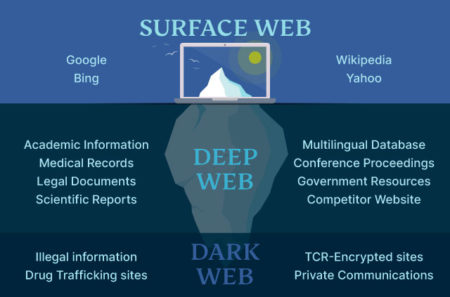
Anyone can find them using a search engine and view them without paying, registering, or installing special software. Otherwise, I’d be in trouble since the Google Docs page on which I’m writing this article is part of the deep web. If it was illegal to access the deep web, it would be illegal to see or do anything online that requires you to sign into your account. Accessing the deep web doesn’t require a special browser or unique protocols.
When you log in to your favorite video streaming site or check your bank account balance online, that’s the deep web at work. Browsing the Deep Web may be safe if users exercise precaution in accessing the web. Therefore, to avoid trouble, make sure that you visit just reputable sites, apply secure connections, and adhere to a privacy directive.
Darkweb (or dark net) is a relatively small part of the deepweb but contains highly secured and inaccessible data from search engines as well as standard browsers. In the darkweb, users can communicate and conduct business anonymously. We have consumed the deep web each time we log in to our accounts. However, many web pages are not easily accessible, especially if you want to access the dark web.
Deep Web Vs Dark Web: Key Differences And Definition
If you think eBay transactions aren’t safe, dark web transactions are far worse. Would you be able to tell if a cybercriminal changed one character to send you to a malware-infested copycat site? Shadow web is nearly guaranteed to be an urban legend about a net deeper than the darknet that contains even more illegal stuff. The easiest way to access the dark web is to download a Tor browser and then access the Tor Network. The deep web is part of your everyday web and thus has to comply with all sorts of security standards and be hosted by companies that have at least some interest in maintaining their users’ privacy.
Company data that businesses store internally to manage operations and consumer data from inputted forms belong to the deep web. This data may include passwords, billing information, or purchase history—accessible to the user upon logging in but hidden from everyone else. The illicit activities of fraudsters are happening across the Gray, Deep, and Dark Web. But the real battle against fraudsters is on the Deep and Dark Web, where tracking their activity is much more difficult. Choosing the right Cyber Threat Intelligence platform can be the best weapon to win the war and protect your organization and customer data.