
The absence of genetic abnormalities in most patients does not exclude participation of complement in the pathogenesis of DITMA and other secondary TMAs. In fact, the activated procoagulant and proinflammatory endothelial cell phenotype characteristic of DITMA can induce a non-specific activation of complement, which in turn can promote and aggravate TMA (Duineveld and Wetzels, 2019; Frémeaux-Bacchi et al., 2019). The patient was observed closely for 1 week, and sC5b9 on repeat was elevated at 310 ng/mL. He was started on eculizumab at standard weight-based weekly induction when hemolysis did not improve with best supportive care. After initial induction, the patient continued to receive eculizumab every 14 days, dosed by trough, with adequate suppression of CH50 and sC5b9 levels.
Managed Care Approaches And Models For Equitable Access To Innovations In Major Depressive Disorder Treatment

However, the central role of complement is undeniable, and the available evidence identifies it as a targetable pathway, providing a foundation for the use of eculizumab. In the last years, several case reports and retrospective studies showed eculizumab efficiency in this context (see ahead) 100, 101, 102, 103, 104. Lack of adequate response to complement blockage in some patients, on the other hand, suggests potential additional endothelial injury pathways, requiring more investigation 103. A French case series reported mild to severe acute tubular necrosis 65 in some patients, in addition to TMA, suggesting a common pathological pathway triggered by VEGF inhibition.
Classical Chemotherapy
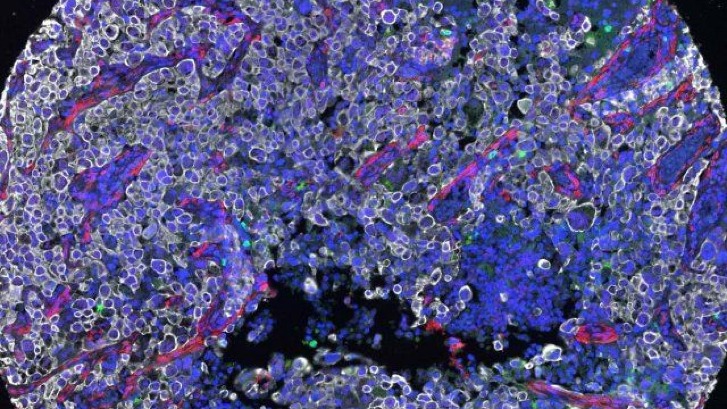
Your doctor may examine the blood under a microscope to determine if there are any damaged red blood cells (known as schistocytes). Positive testing in a child who has recently had bloody diarrhea will lead to a diagnosis of HUS. Normal blood has completely round red blood cells and plenty of tiny platelets. When you suffer from TMA your blood will have deformed red blood cells (called schistocytes) and no platelets. When the endothelial cells of capillaries become damaged, blood flow through the kidney slows (Figure 2). It is important to note that PLEX should be initiated empirically in adult patients with TMA of unclear etiology due to the prevalence of TTP and the worsening of clinical outcomes in TTP when PLEX is delayed.
In rare cases, tubular reticular inclusions can be found, suggesting a high level of interferon activity, even in the absence of viral infection. Immunofluorescence is generally negative for immune complexes, although there may be unspecific fibrin deposition 8. Autopsy studies have showed a poor correlation between clinical and histological findings 91,97. Immediately after HSCT there is a high risk of AKI, with risk factors attributable to the procedure and the drugs administrated. Serum creatinine levels will probably not provide a reliable estimation of GFR, because these patients may display large fluctuations in nutritional status, weight and muscle mass 91,97.
VMAT2 Inhibitors For Long-Term Success In Tardive Dyskinesia
Vascular endothelial growth factor (VEGF) inhibitors are used for the treatment of various malignancies. Many cases reported DITMA as a result of bevacizumab use, a humanized monoclonal antibody directed against VEGF (46–49). Ramucirumab, anti-VEGF receptor 2 monoclonal antibody, and cetuximab, a monoclonal antibody against epidermal growth factor receptor (EGFR), are also implicated in causing renal-limited TMA (51, 52). Drug-induced TMA has been reported in children with acute lymphoblastic leukemia (34, 35) and adults with solid tumors (36, 37), receiving multiagent chemotherapy. Jodele et al. described 13 patients developing TMA after high-dose chemotherapy and autologous stem cell transplantation for neuroblastoma (12 patients receiving carboplatin/etoposide/melphalan and one cyclophosphamide/thiotepa) (38). Finally, a high incidence of TMA was observed in melanoma patients receiving a lymphodepleting preparative chemotherapy regimen with total body irradiation (TBI) prior to autologous T cell therapy (39).
Advancing Pharmacist Expertise In R/R FL: Navigating Novel Therapies And Optimizing Patient Outcomes
Glomeruli were globally sclerotic except one with a fibrocellular crescent. The lamina rara interna layer of the glomerular basement membrane (GBM) was expanded. Creatinine later improved (1.4 mg/dl at 2 months and 1.0 mg/dl at 6 months). Cisplatin-induced TMA is rare, but it has been described in several case reports, alone or in association with other chemotherapeutic agents 41, 42, 43. The exact mechanisms are not completely understood, although there is evidence of direct toxicity to endothelial cells, with subsequent complement activation 41,44. Patients present systemic features of TMA, in association with AKI 42,45,46.
Evidence-Based Guidelines Point To Leap In Care For Hypertrophic Cardiomyopathy
These are often treated (like TTP) with plasma exchange, but there is currently some debate about this. They are generally not controlled or randomized and do not lend themselves to a stricter guideline-based methodology or a Grading of Recommendations Assessment, Development and Evaluation (GRADE)-based approach. One week after discharge, he returned to the community hospital for malaise, chills, nausea, vomiting, diarrhea, and decreased amount of “brown-colored” urine. Initial evaluation revealed anemia, thrombocytopenia, acute renal failure, and hyperkalemia.
- During the active phase of the disease kidney failure can often be severe enough to require manual blood cleaning with dialysis.
- Initial evaluation revealed hemoglobin was 12.8 g/dl, hematocrit was 40.3, white blood cell count was 25,500/mm3, platelet count was 200,000/mm3, and creatinine was 1.0.
- Atypical haemolytic uraemic syndrome (aHUS) has been used broadly to describe any case of HUS that is not caused by shiga toxin‐producing bacteria.
- The onset is sudden, occurring several hours following exposure, with severe systemic symptoms which may include headache, abdominal pain, vomiting, diarrhea, chills, and fever.
- Some reports suggest improvement in survival and kidney function with rituximab 24,27 and eculizumab 28,29.
DATA AVAILABILITY STATEMENT
In the other two patients with evidence supporting a definite association, TMA was attributed to pentostatin (the previously reported patient(7)) and gemcitabine. Two additional patients had evidence supporting a probable association of the suspected drug with their episode of TMA (one attributed to quinine, the other to trimethoprim-sulfamethoxazole). Samples from patients in the Oklahoma Registry are not included in these data. Moreover, according to consensus opinion (Palma et al., 2021), regardless of whether a toxic or immune-mediated form, a trial of TPE is recommended in all patients with a suspected diagnosis of severe DITMA, in addition to suspected-causative drug suspension. During TPE, platelet count, haemolysis lab tests and renal function should be carefully monitored.
Drug-Induced Thrombotic Microangiopathy Resulting In ESRD
Whilst a functional ADAMTS13 deficiency is essential for a diagnosis of TTP it is not sufficient to cause disease. Multiple secondary triggers have been identified that initiate disease, these include pregnancy and infection. Rapid diagnosis and treatment are key to the survival and quality of life for the patients.

On the other hand, the dose-dependent and cumulative toxicity model seems to fit for opana’s abuse, bevacizumab, levofloxacin, alemtuzumab, and interferon’s cases of DITMA (9, 13–15). It is important to exclude any other diagnosis before attributing TMA to a drug. Pre‐eclampsia, eclampsia, and haemolysis elevated liver enzymes low platelets (HELLP) syndrome are part of a spectrum of pregnancy conditions that are part of the differential diagnosis of TTP and aHUS.77 Pre‐eclampsia is characterized by hypertension and proteinuria. HELLP is a more severe form of the disease spectrum, which can lead to a glomerular endotheliosis. There is known endothelial dysfunction thought to be due to greater circulating levels of the soluble form of the vascular endothelial growth factor receptor (sFlt‐1), syncytiotrophoblast‐derived antiangiogenic factors and soluble endoglin.
Clinical Panel Debate: CAR T-Cell Therapy Vs Bispecific Antibodies

This issue becomes even more important in DITMA, considering that TMA renal-limited forms are mainly caused by drugs (28.5%) (Saba et al., 2018). Moreover, if recognized, these forms showed to benefit more from the withdrawal of the causative drug, with a lower relapse risk and better survival rates than the systemic DITMA (Izzedine and Perazella, 2015). These considerations emphasize the importance of considering separately kidney-limited and systemic DITMA forms. Thrombotic thrombocytopenic purpura occurs in the setting of insufficient activity of the von Willebrand factor protease known as ADAMTS13. Shiga toxin-producing Escherichia coli–induced hemolytic uremic syndrome, also known as “typical” HUS, is caused by gastrointestinal infections with bacteria that produce Shiga toxin (initially called verocytotoxin). Finally, aHUS occurs in the setting of inherited or acquired abnormalities in the alternative complement pathway leading to dysregulated complement activation, often following a triggering event such as an infection.
A few cases of TMA related with lymphoma and myeloma had detectable antibodies against ADAMTS13, which disappeared once achieving malignancy remission 127,141. In a recent case series, the prevalence of monoclonal gammopathy in a TMA population was five-folder higher than expected (21% versus 4,2%, in patients 50 and older), which may indicate an association between those entities 147. Notwithstanding, recent studies have reported more promising survival rates 8,129. Although the kidneys are frequently affected, involvement of other organs has been reported, mostly the gastrointestinal tract and the lungs 91,115. In allogenic HSCT there is at least one study showing that TMA can occur in patients in which CNI and mTORI were not used 114.