
You can mistakenly leave your credit card unattended or lose it in the mail, which could land in the wrong hands. Any good IT article on computers and network security will address the importance of strong, secure passwords. It is important to note that buying stolen credit cards is illegal and can result in severe consequences, including fines and imprisonment. Additionally, using a stolen credit card is also illegal and can result in the same consequences. With more of these sites popping up, it’s getting easier for crooks to get and use stolen card info.
Stay informed about the latest trends and tactics used by criminals to better safeguard your financial well-being. These cards are then used by cybercriminals to make online purchases, including buying gift cards, that are hard to track back to them. After finding a marketplace that sells stolen credit cards, you can browse through the listings to find the type of credit card information you are interested in. You can then make a purchase using cryptocurrency like Bitcoin to maintain anonymity.
Collecting Threat Intelligence
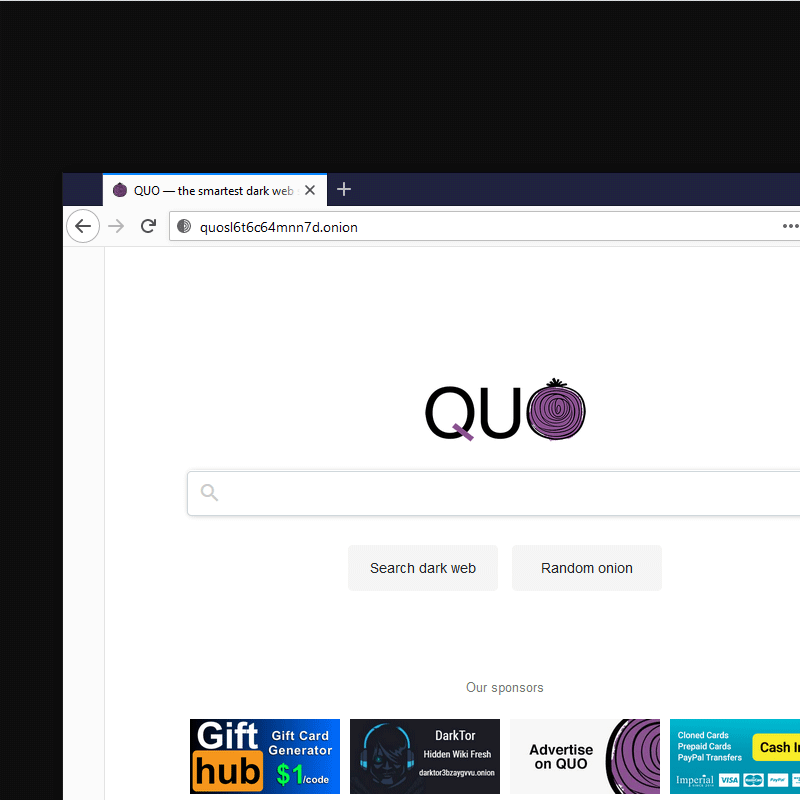
The “dark web,” by contrast, is a layer of information that can be accessed through overlay networks. Special software and browsers, such as The Onion Router (TOR), are needed to enter the dark web because much of it is encrypted, and forums are hosted anonymously. Flare monitors the clear and dark web as well as illicit Telegram channels for high-risk external threats to your organization.
What Are The Warning Signs That My Credit Card Has Been Compromised?
This month, U.S. authorities shut down a popular Russian platform, Try2Check, used to confirm the legitimacy of stolen credit card information. It’s key to know the risks of credit card theft and the underground market. By understanding these risks, we can protect ourselves and our financial info. We should be careful when sharing credit card details online and watch our statements for odd activity. It allows hackers to sell stolen card info, leading to identity theft and financial fraud. The Dark Web operates as a shadow marketplace, with prices for stolen data influenced by the interplay of database security vulnerabilities, demand, and risk.
The stolen credit card data is typically offered in a shopping cart format, where the “buyer” can check off which credit cards they want to purchase based on a menu of available credentials. But that’s not all; there are also cardholder details such as their full name, address, date of birth and telephone number as well as email address. Pretty much everything you would need to commit credit card fraud or launch phishing attacks against the cardholder. Ultimately, the strongest defense against credit card fraud involves ongoing vigilance, education, and collaboration among consumers, financial institutions, technology companies, and law enforcement agencies. By remaining proactive and informed, you can better protect your financial assets, identity, and peace of mind in an era of increasingly sophisticated cyber threats.
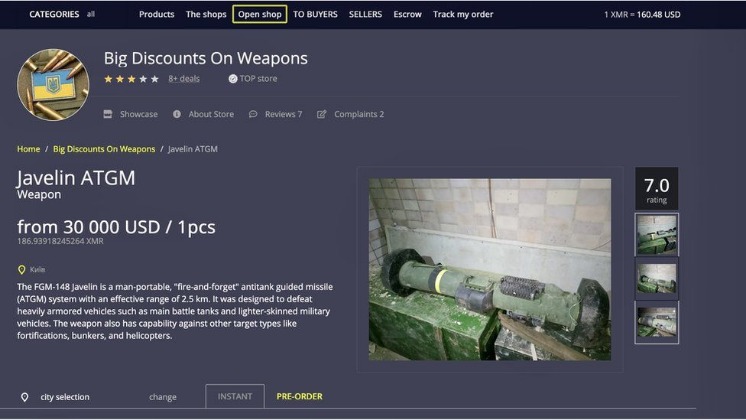
What Is The Dark Web? How To Access It And What You’ll Find
It is crucial to exercise caution and take protective measures to safeguard personal information. Safeguarding your credit card data from theft involves proactive measures and timely responses. By following clear, practical guidelines, you can significantly reduce the risk of becoming a victim of carding or related fraud. The widespread adoption of EMV chip technology—embedded microchips in credit cards—has substantially reduced fraud related to counterfeit physical cards. Unlike traditional magnetic strips, EMV chips generate unique transaction codes for every purchase, making card duplication exceedingly difficult. While this doesn’t eliminate all types of card fraud (such as online transactions), it significantly hampers criminals’ ability to use physically cloned cards in brick-and-mortar stores.
Protecting Yourself From Credit Card Fraud On The Dark Web
This requires special software such as Tor, which allows users to browse anonymously. Once on the dark web, individuals can search for websites that sell stolen credit card information. Carding shops are a type of dark web marketplace that hosts the trade of credit cards and other stolen financial information. These platforms serve as hubs for cybercriminals to buy and sell compromised payment card details.
What To Do If My Info Is On The Dark Web
- These stolen cards have value because they can be used to purchase high-value items or gift cards, which can then be resold for cash.
- This underground marketplace offers a range of stolen credit card details, including card numbers, CVV codes, and even full personal information.
- By knowing the risks and protecting our financial info, we can avoid being victims of credit card fraud.
- Stolen card details often end up on the dark web marketplace for a quick profit, and this can happen before you even know about it.
The process, also called skimming, allows them to make physical purchases at ATMs or retail stores. Unlike online fraud, this type of theft is harder to detect because the transaction appears as a regular swipe. In the ever-evolving landscape of cyber threats, businesses face not only financial losses but also significant reputational damage when targeted by fraud actors on the dark web. Monitoring the deep and dark web becomes imperative for proactive defense against such threats. Lunar, our dark web monitoring tool is designed to empower individuals and businesses in this battle against cybercrime.
The financial repercussions for victims can be debilitating, leading to damaged credit scores, fraudulent charges, and identity theft. Furthermore, participating in these illegal activities carries the constant risk of being caught by law enforcement agencies. Unlike the traditional web we use every day, with search engines indexing websites for easy discovery, the Dark Web operates on anonymous networks such as Tor. This anonymity allows criminals to conduct illegal activities without fear of being traced by law enforcement agencies.
Dark Web Credit Cards- Learn How They Work And Protect Yourself In Australia
The threat actor’s marketing strategy involves leaking a large number of credit cards to attract potential clients from hacking and cybercrime forums. This move is likely to increase the platform’s popularity and draw in new customers. Financial data can leak in many ways—through phishing attacks, data breaches at online services, or poor account security. Even in regions like the EU, where banks are legally required to implement strong customer authentication, criminals continue to find ways to bypass these safeguards. Marketplaces frequently employ an escrow system, temporarily holding cryptocurrency payments until buyers confirm that the purchased credit card data is valid and functional.
Category #1: Details Needed For Fraudulent Online Purchases
In addition to these types of listings, there are other free tools usually available on credit card sites. These tools include for example different types of checkers, which assist threat actors in verifying whether the stolen card information they possess is valid and can be used to make unauthorized purchases. Delving into the dark web with the intention of buying stolen credit cards is dangerous and illegal.

Buying stolen credit cards on the dark web is not only unethical but also illegal. Engaging in such activities puts both buyers and sellers at risk of facing criminal charges. It is important to always conduct oneself in an ethical and lawful manner when navigating the online world. When using credit cards on the dark web, it is vital to use a secure payment method to minimize the risk of fraud. Opt for reputable and trusted payment gateways that offer strong encryption and advanced security measures.

When used correctly, it provides strategic intelligence that can prevent major financial losses. Pattern recognition through machine learning has revolutionized how we spot compromised cards. The Magecart group pioneered this technique, compromising thousands of online stores by exploiting vulnerabilities in popular e-commerce platforms. The data then gets parsed, sorted by bank type and location, and sold in batches. One compromised payment processor or e-commerce platform can yield thousands of card numbers at once.